Creating a neutral kids bedroom is a smart way to design a space that feels calm, timeless, and easy to update as your child grows. Instead of relying on bold colors that may feel outdated in a few years, neutral tones like warm beige, soft green, and creamy white create a flexible base. You can swap out decor, bedding, or toys without repainting. This approach also works well for shared rooms and small spaces. Below, you’ll find practical, budget-friendly ideas that help you build a neutral kids bedroom that looks great and works for everyday life.
15 Neutral Kids Bedroom Design
The following are the Neutral Bedroom Design:
1. Warm Beige Walls for a Calm Foundation
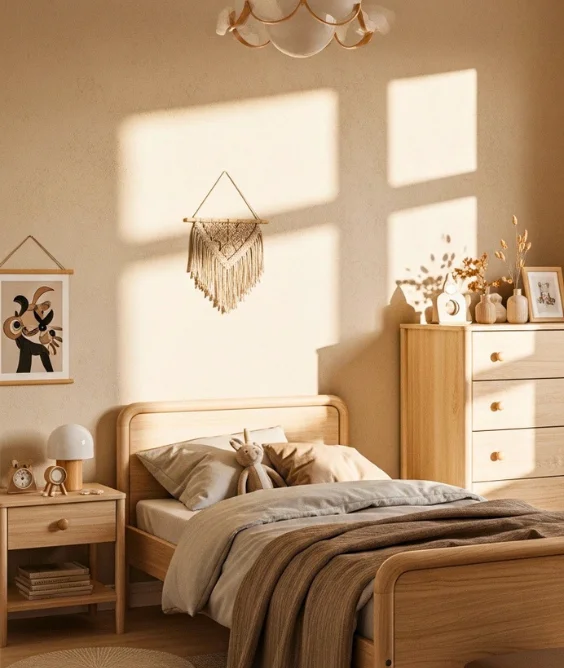
Warm beige walls create a soft and calming base that works for any age. They feel warmer than plain white and help hide small marks, which is useful in a busy kids room. You can choose a matte or eggshell finish for a smooth look that is easy to maintain. Pair the walls with simple furniture in light wood tones and keep decor minimal. This helps the room feel open and peaceful without looking empty.
To keep things interesting, focus on texture instead of color. Add a soft rug, linen curtains, or a knitted throw to bring warmth into the space. You don’t need expensive items. Budget-friendly pieces can still create a cozy feel when layered well. This setup makes it easy to update the room later by switching small items like cushions or wall art without repainting everything.
2. Soft Green Accent Wall for Gentle Color
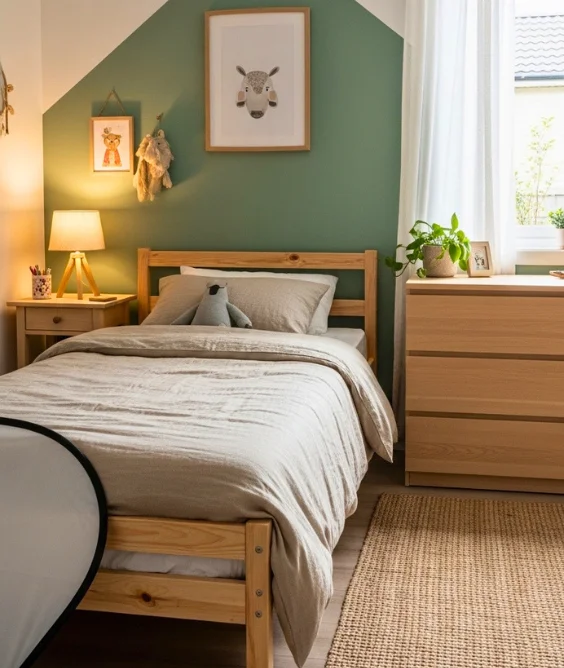
A soft green accent wall adds a hint of color while still keeping the room calm. It works well with neutral tones like beige and cream, making the space feel balanced. Painting just one wall is a simple way to change the look without spending too much time or money. Keep the rest of the walls neutral so the room doesn’t feel overwhelming.
You can tie the look together with small matching details like a green cushion, plant, or wall art. This keeps the design consistent without overdoing it. The best part is how flexible it is. As your child grows, you can easily swap out decor without repainting the entire room. It’s a practical option that still feels fresh and inviting.
3. Neutral Base with Easy Accent Swaps
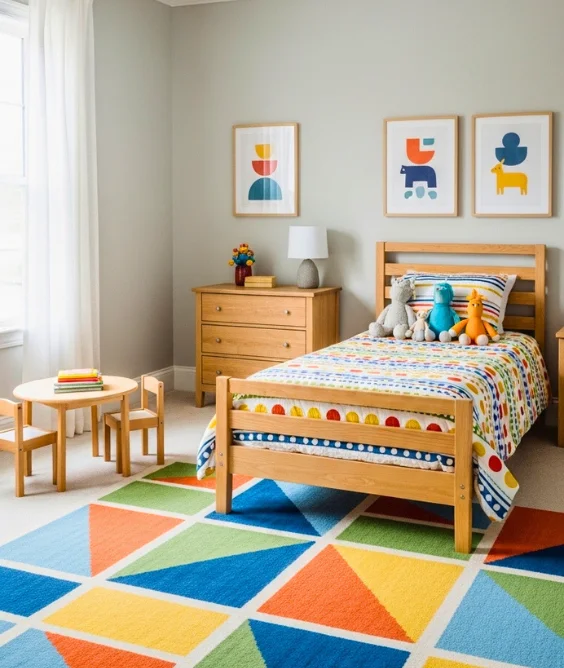
Keeping the main elements neutral gives you freedom to change the look anytime. Use simple tones for walls, bed, and large furniture pieces. Then bring in color through smaller items like rugs, bedding, and artwork. This keeps the room flexible and easy to update as your child’s preferences change.
This approach also helps you stay on budget. Instead of replacing big items, you only switch out smaller accessories. Try sticking to two or three accent colors at a time to keep the space looking neat. This method works especially well if your child enjoys changing themes often, as you can refresh the room without major effort.
4. Layered Textures for a Cozy Feel
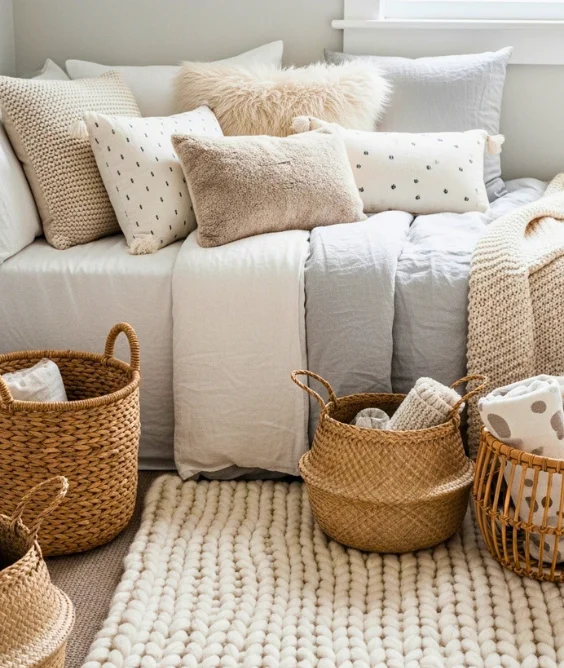
Neutral rooms can feel plain without the right details. Adding different textures helps create depth and comfort. Use soft materials like cotton bedding, wool rugs, and knitted throws to make the space feel warm. These elements add interest without needing bold colors or patterns.
You can mix and match affordable pieces to build this look over time. Start with a simple base and add layers gradually. Even small additions like a textured cushion or woven basket can make a difference. This approach keeps the room visually appealing while still maintaining a calm and simple style that works for everyday use.
5. Light Wood Furniture for a Natural Touch
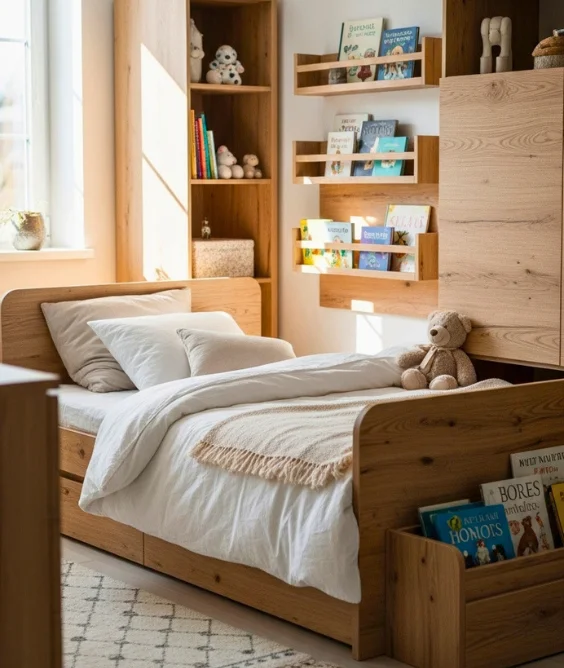
Light wood furniture brings warmth into a neutral kids bedroom without adding color. It creates a natural and relaxed feel that works well with beige, white, and soft green tones. Choose simple designs that can grow with your child instead of themed pieces that may feel outdated quickly.
If buying new furniture isn’t an option, you can refresh old pieces with paint or wood polish. Add woven baskets or fabric bins for storage to match the natural look. This combination keeps the room organized while still looking soft and inviting. It’s a practical way to build a timeless space that feels comfortable and easy to maintain.
6. Woven Storage for a Clean Look
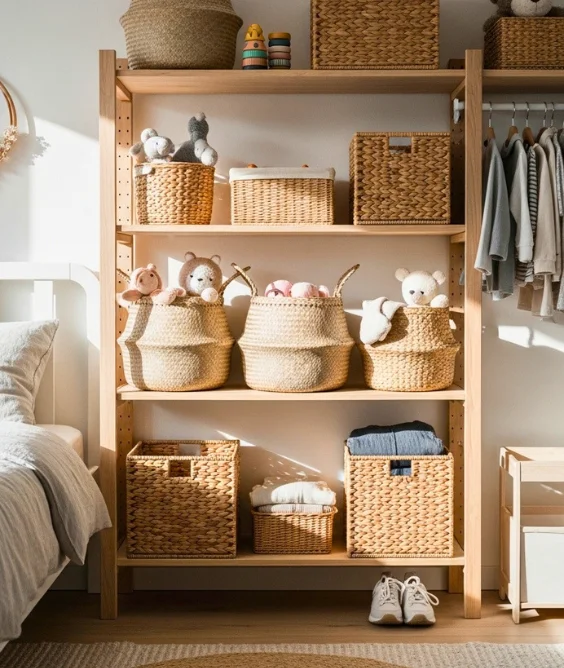
Woven storage is a simple way to keep the room tidy while adding texture. Baskets made from natural materials like rattan or seagrass fit perfectly into a neutral space. You can use them for toys, clothes, or even books. Place them under the bed, inside shelves, or in corners to make the most of the space. This keeps everything within reach but still organized.
Affordable options are easy to find, and you can mix different sizes for flexibility. Try labeling baskets with small tags if needed, but keep it minimal to maintain the clean look. This approach reduces clutter and helps your child learn simple organization habits. It also makes cleaning up faster, which is always helpful in a busy household.
7. Minimal Wall Art with Personal Touches
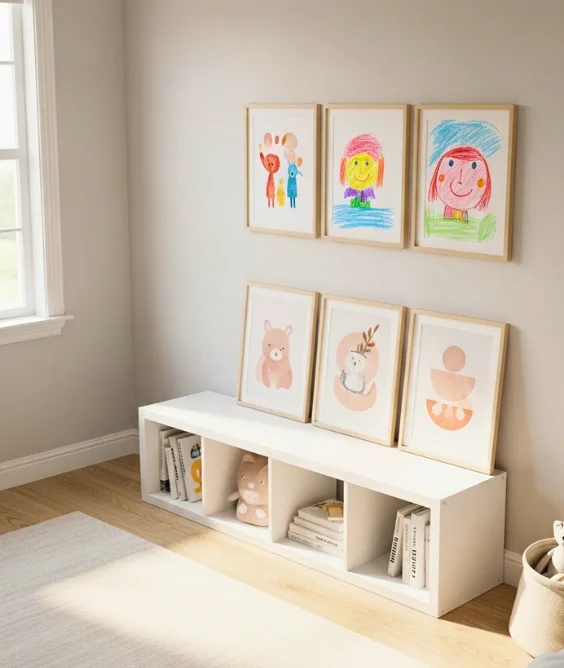
Minimal wall art keeps the room feeling open and calm. Instead of filling every wall, choose a few meaningful pieces. Display your child’s drawings, family photos, or soft-toned prints. This adds personality without making the space feel crowded. Use neutral frames like wood or white to keep everything consistent.
You can rotate artwork over time, which keeps the room feeling new without spending money. A simple gallery layout works well above the bed or desk. Leave some empty wall space to balance the look. This method keeps things personal and flexible, allowing the room to grow with your child’s changing interests.
8. Neutral Bedding That’s Easy to Refresh
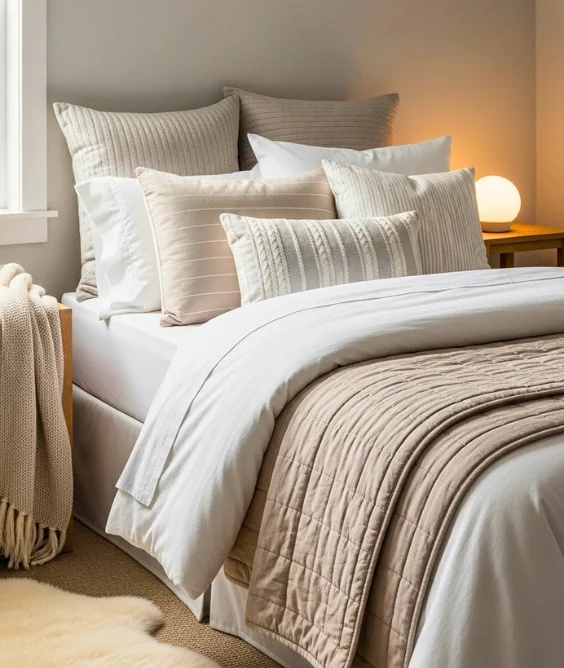
Neutral bedding makes updates quick and affordable. Stick to base colors like beige, cream, or soft gray. These shades work with almost any decor style. You can then add small details like textured pillows or a patterned throw to create interest without overwhelming the space.
As your child grows, simply swap pillow covers or blankets to refresh the look. Choose fabrics that are easy to wash and durable for everyday use. Keeping an extra set of bedding is also helpful for quick changes. This idea saves money over time and keeps the room looking neat with very little effort.
9. Cozy Canopy Corner for Relaxation
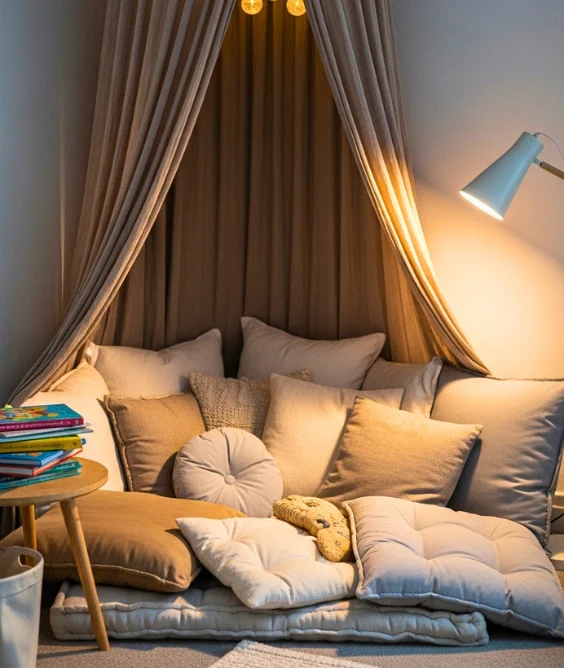
A canopy corner creates a small, cozy space for reading or quiet time. Use light fabric in neutral shades like cream or beige. Hang it over a corner of the room or above a small floor mattress. Add cushions and a soft rug to make the area comfortable and inviting.
This setup is easy to create with simple materials. You don’t need expensive furniture. It works well in both large and small rooms. The canopy adds a sense of privacy and comfort, making it a favorite spot for kids. It also adds visual interest without using bold colors or heavy decor.
10. Vertical Storage to Maximize Space
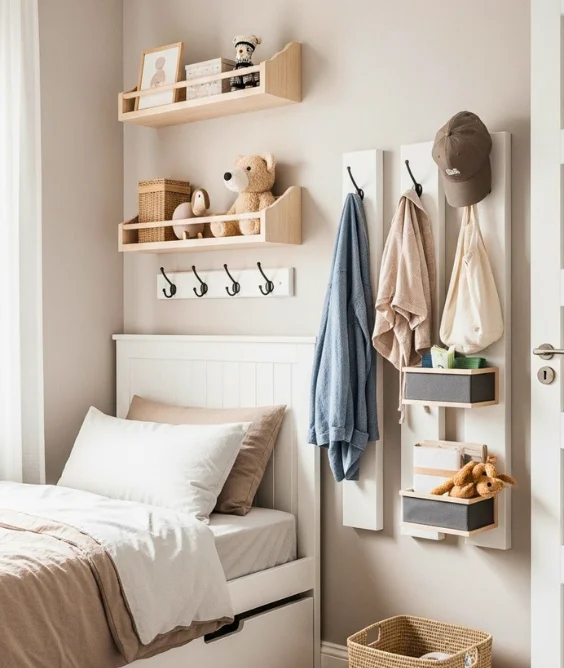
Vertical storage helps you make the most of limited space. Install shelves, hooks, or hanging organizers on the walls. This keeps the floor clear and makes the room feel bigger. Store everyday items at lower levels so your child can reach them easily, and place less-used items higher up.
Use neutral storage boxes or baskets to keep everything looking consistent. This approach works especially well in small or shared rooms. It also helps reduce clutter by giving everything a proper place. With a simple setup, you can create a functional and organized room without spending too much.
11. Simple Study Corner with Calm Tones
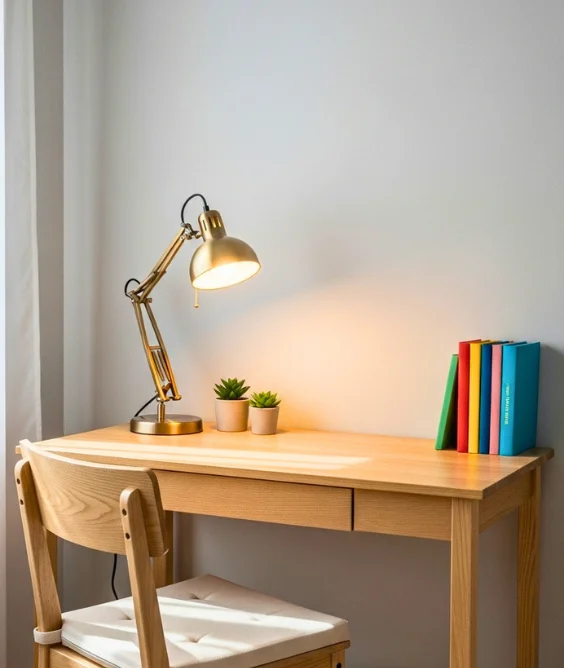
A simple study corner helps build a routine for reading and homework. Use a small desk in light wood or white to match the neutral theme. Keep the setup clean with only a few essentials like books, a pencil holder, and a lamp. Warm lighting makes the space feel comfortable and less harsh on the eyes.
You don’t need a large area to make this work. Even a small corner can be enough with the right setup. Add a soft chair cushion or a small rug to make it inviting. Keep storage nearby with a shelf or basket for supplies. This keeps everything organized and easy to use while maintaining a calm look.
12. Textured Rug for Warmth and Comfort
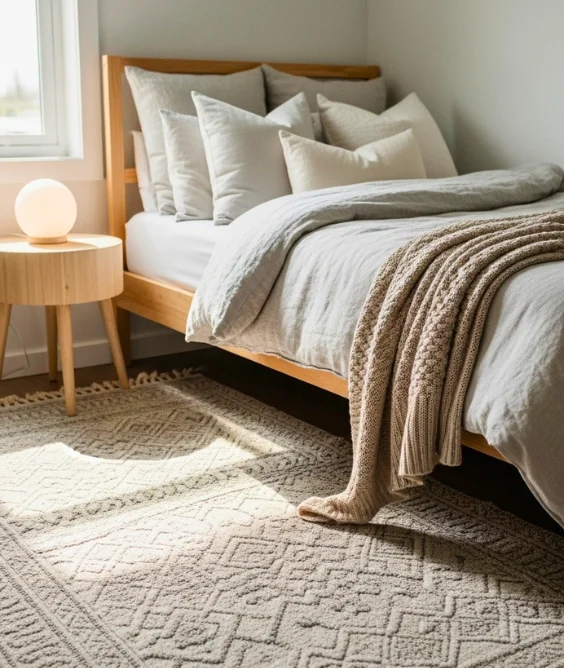
A textured rug adds comfort and makes the room feel complete. Choose neutral tones like beige, cream, or soft gray to keep the look consistent. Rugs also help define areas, such as a play zone or sleeping space, especially in shared rooms.
Look for durable and easy-to-clean options since kids’ rooms can get messy. You can find affordable rugs that still look great and feel soft underfoot. Layering a rug with other textures like bedding or curtains adds depth. This small addition can make a big difference in how cozy the room feels.
13. Open Shelving for Easy Access
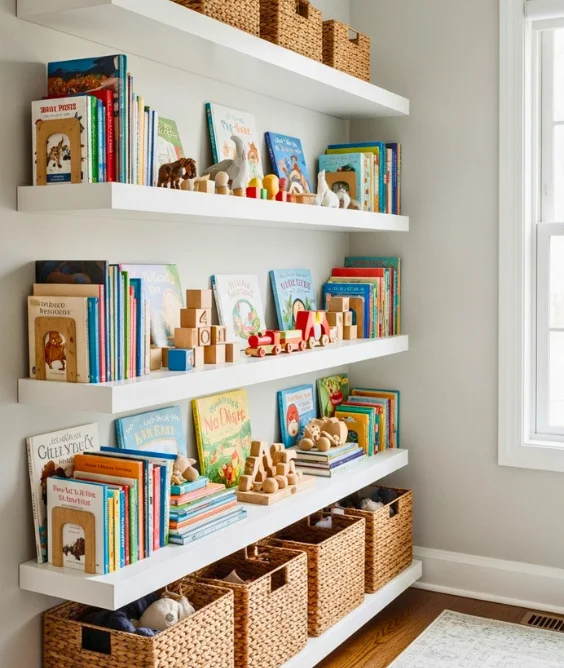
Open shelves make it easy for kids to access their favorite books and toys. Keep the arrangement simple and avoid overcrowding. Use baskets or bins to group smaller items and maintain a tidy look. Neutral tones help everything feel balanced and uncluttered.
Rotate items regularly so the shelves stay fresh and interesting. This also helps reduce mess by limiting how many things are out at once. Open shelving encourages kids to keep things organized because everything is visible. It’s a practical and stylish solution for everyday use.
14. Neutral Lighting for a Relaxing Mood
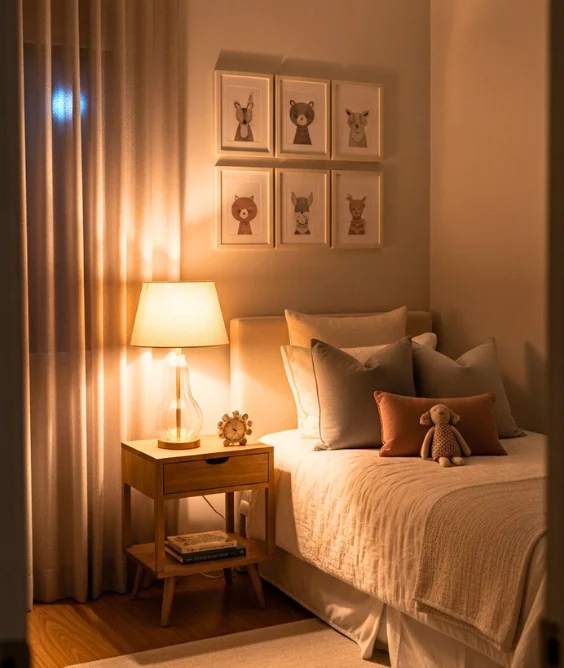
Lighting plays a big role in how the room feels. Use warm bulbs instead of harsh white lights to create a relaxing environment. Add a bedside lamp or a soft overhead light to make the space feel calm, especially during bedtime.
You can also include small night lights for comfort. Choose simple designs that match the neutral theme. This setup helps create a peaceful routine and makes the room feel safe and cozy. It’s an easy change that can improve the overall atmosphere without much cost.
15. A Flexible Room That Grows Over Time
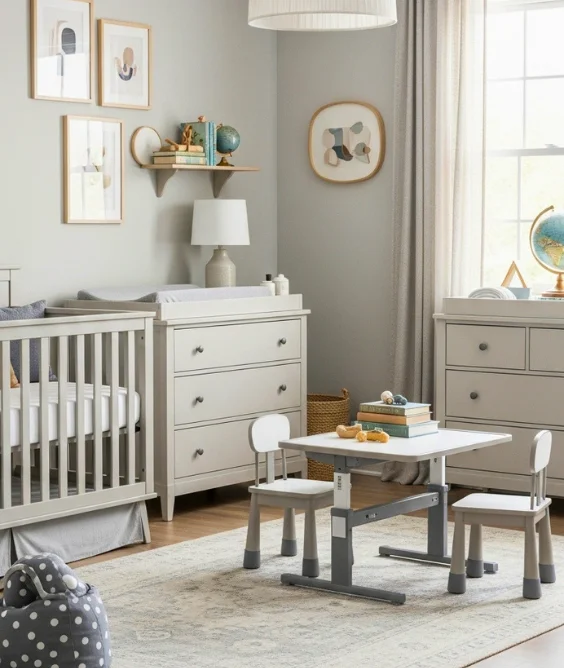
Designing a room that grows with your child saves time and money. Start with neutral walls and simple furniture that won’t feel outdated quickly. Avoid age-specific themes and focus on a clean, timeless look that can adapt over the years.
As your child grows, update small details like bedding, artwork, and decor. This keeps the room feeling new without needing major changes. Choose furniture that can serve multiple purposes or adjust over time. This approach keeps things practical while still looking stylish and comfortable.
Conclusion
A neutral kids bedroom is a smart and flexible choice for modern homes. With simple colors, natural textures, and thoughtful storage, you can create a space that feels calm and easy to update. Small changes over time can keep the room fresh while staying within budget.