
Your living room is the heart of your home, where comfort and style meet. Trends show a growing emphasis on curved furniture, layered lighting, moody palettes, and biophilic elements. Simple tweaks like repositioning furniture, adding plants, or swapping in a statement light can completely refresh your space. Below are the first five ideas to transform your living room affordably and practically.
1. Curved Sofas for Softer Layouts
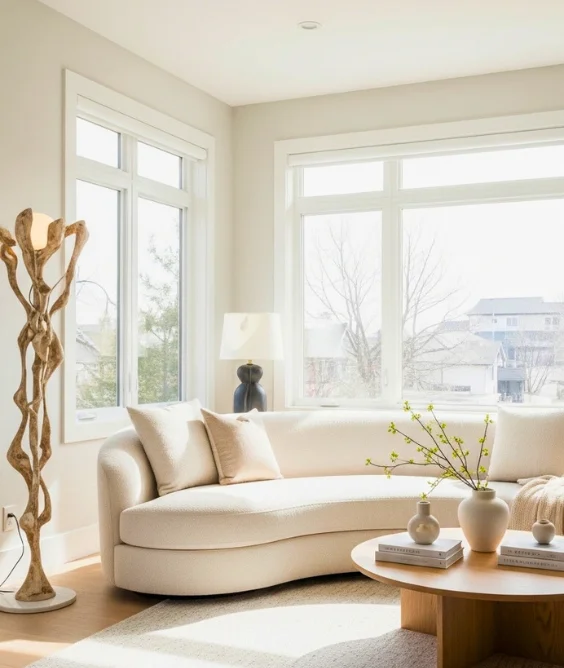
Curved sofas are trending because they soften sharp corners and make conversation areas feel inviting. Rounded seating creates a natural flow and breaks up boxy layouts. You can add curves with a circular rug, round coffee table, or even a curved mirror above the sofa.
For smaller spaces, a compact curved loveseat works better than a large sectional. Pair with minimal side tables and shelves to keep the look balanced. Budget-friendly tricks include refinishing thrifted tables or using decorative accents to echo curves.
2. Dark and Moody Walls
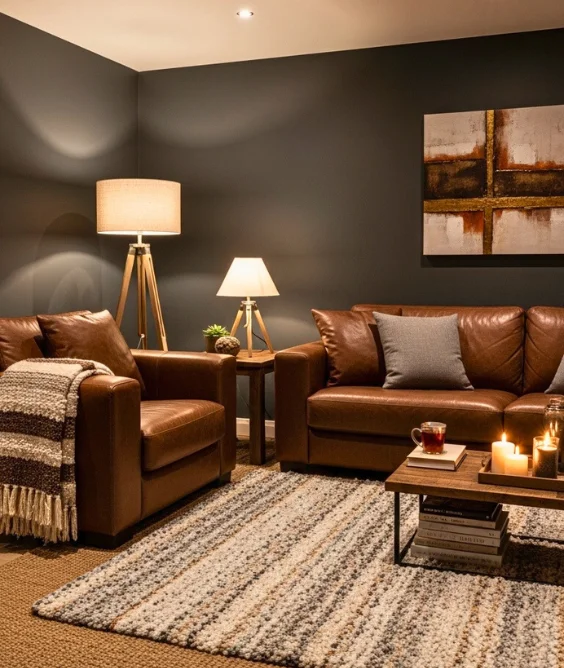
Deep tones like charcoal, navy, or espresso bring warmth and depth to a room. Painting a single accent wall is an easy way to test the look without committing fully. Layer lighting with lamps and warm bulbs to prevent a gloomy feel.
Balance dark walls with lighter textiles, such as cream throws, beige cushions, or a patterned rug. Affordable updates like pillow covers or thrifted wood accents can harmonize the palette. Renters can try peel-and-stick wallpaper in a deep shade for a non-permanent option.
3. Layered Lighting Plans
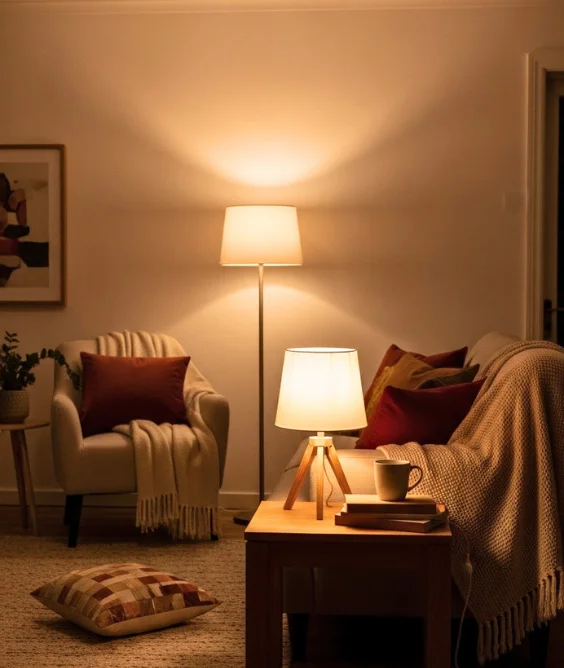
Relying on a single ceiling light flattens a space. Layered lighting combines ambient, task, and accent lights to create dimension and flexibility. Ambient lighting comes from overhead fixtures, task light from reading lamps, and accent light highlights art or plants.
Plug-in sconces or floor lamps work well for renters. Simple upgrades like warm bulbs or repositioning lamps can emphasize textures in rugs and upholstery. Layered lighting instantly makes a room feel cozy, functional, and visually appealing.
4. Minimalist Maximalism Style
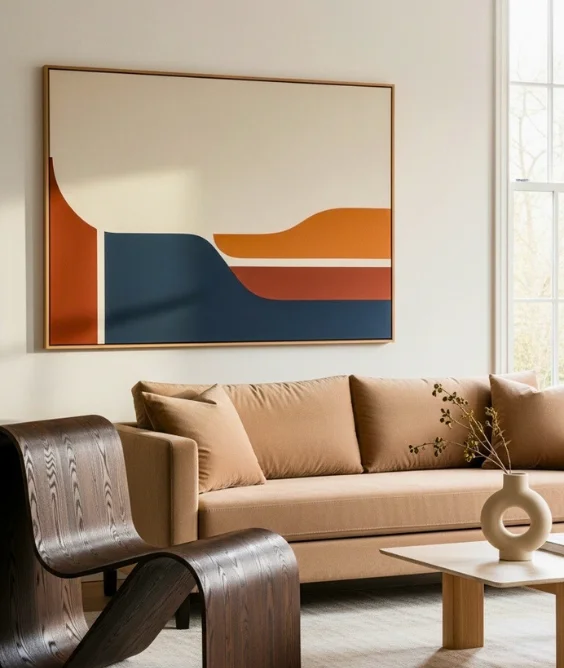
Minimalist maximalism pairs neutral walls and furniture with bold, sculptural pieces. Beige or taupe tones provide a calm base, while statement chairs, coffee tables, or oversized art add visual interest without clutter.
Keep smaller accessories minimal so the standout pieces shine. DIY projects like large abstract canvases or reupholstered secondhand furniture can achieve this look affordably. The result is a modern, cozy living room that feels curated but not overwhelming.
5. Biophilic Design with Plants
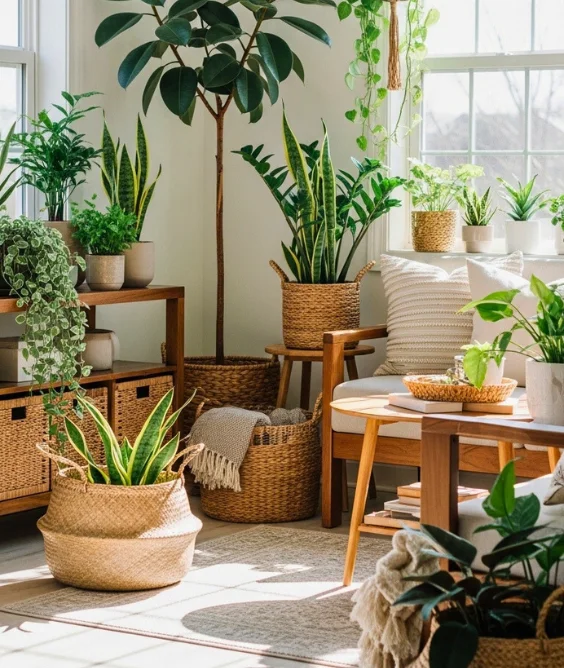
Biophilic design brings nature indoors with plants, wood textures, and natural textiles. Low-maintenance indoor plants like rubber plants or ZZ plants soften corners and add life to the room. Woven baskets and linen textiles reinforce a natural vibe affordably.
Arrange plants at varying heights on shelves, stands, or in clusters. Even a small number of plants makes a noticeable difference. In low-light spaces, pick hardy plants or supplement with warm lamps. This approach enhances both comfort and aesthetics.
6. Zoned Open-Plan Layouts
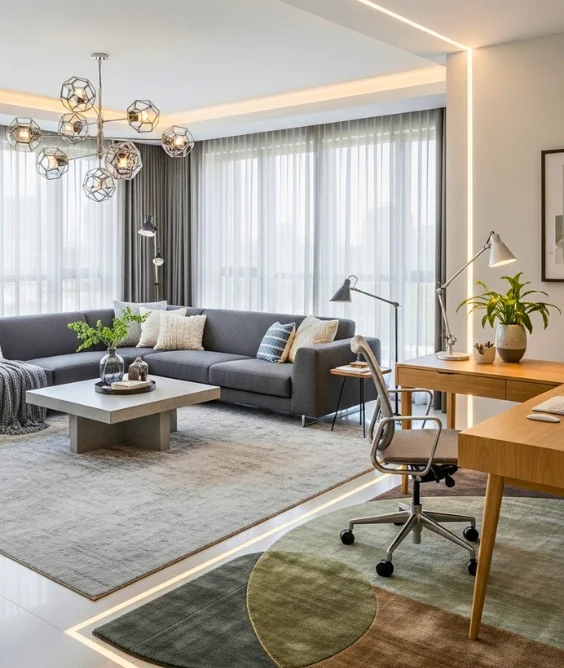
Multi-functional living rooms are increasingly popular. Zoning separates lounging, working, and entertaining areas without adding walls. Rugs, lighting, and furniture placement define each zone and make the space feel organized.
Use a rug to anchor the seating area and a slim console to separate a small desk. Floor or table lamps can visually mark each zone. This approach works well in apartments or open-plan homes and is completely renter-friendly.
7. Low-Profile Seating
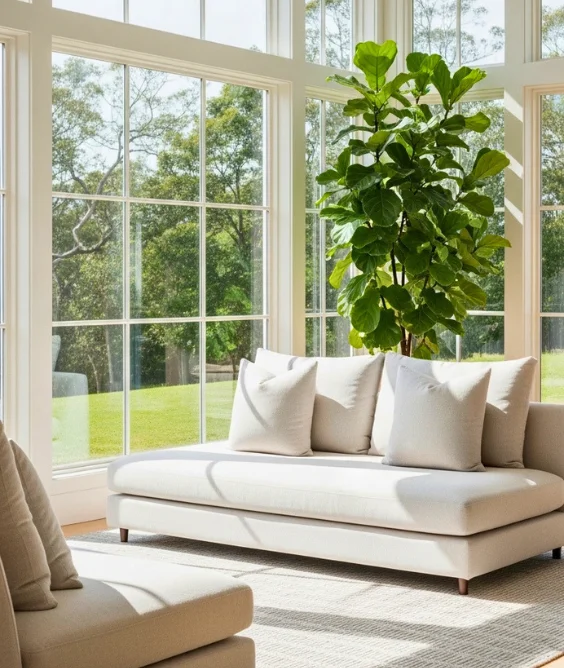
Low-profile sofas make rooms feel taller and more open. Exposed legs allow light to flow underneath, creating an airy, modern vibe. These sofas also pair well with small side tables and minimal decor for a sleek look.
If replacing furniture isn’t an option, remove bulky sofa skirts or use leg-raising blocks to achieve a similar effect. Add vertical elements like tall plants or art to balance the low seating visually. This small adjustment instantly improves proportion and flow.
8. Statement Wall Art
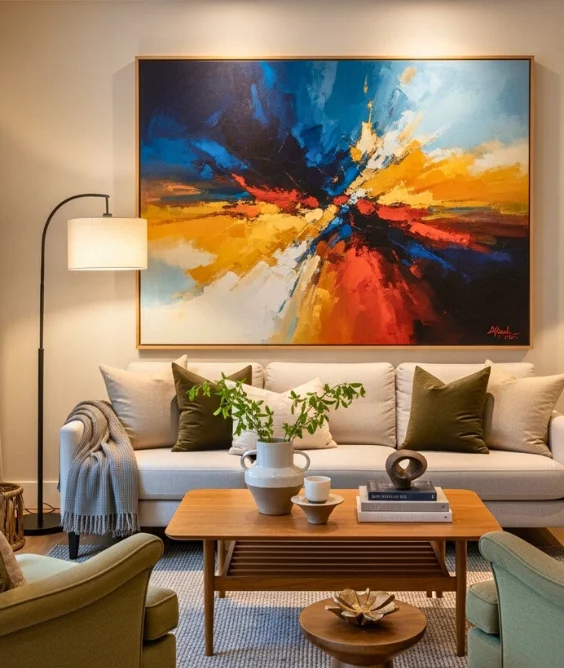
Oversized wall art anchors a living room and draws the eye without cluttering surfaces. A single bold piece often works better than many small frames, making the space feel intentional and stylish.
For a budget-friendly option, create DIY canvas art using paint or fabric. Keep frame finishes consistent to maintain harmony, and pair the artwork with simple decor so it becomes the main focal point of the room.
9. Built-In Look Storage
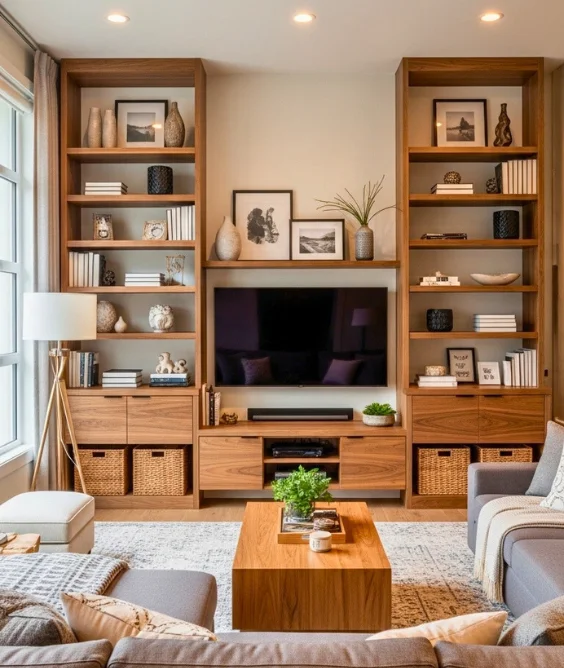
Built-in storage reduces visual clutter while keeping the room functional. If true built-ins aren’t possible, line up matching bookcases or shelving units along one wall to mimic the effect. Baskets, bins, and boxes keep items tidy inside.
Add trim to top shelves or paint them to match the wall for a more integrated look. Use the lower shelves for storage and the upper ones for decorative objects. This creates a balanced, organized, and aesthetically pleasing living room on a budget.
10. Large Rug Anchoring
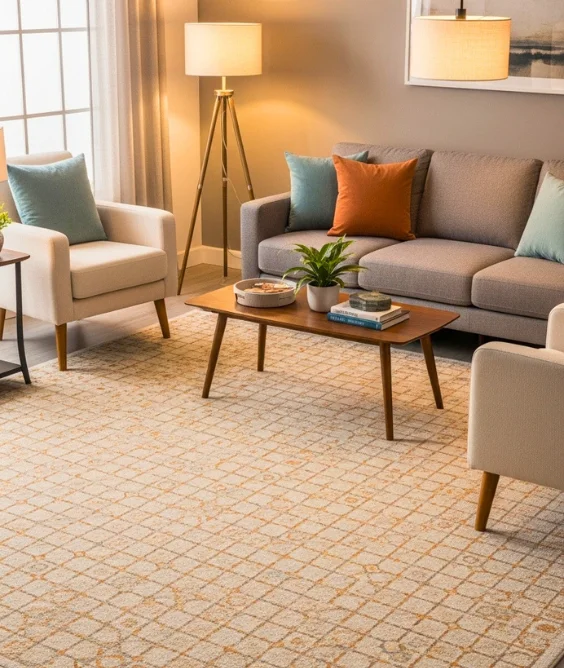
A rug that’s too small can make a room feel disconnected. Oversized rugs anchor the seating area, unify furniture, and define the space visually. They’re particularly helpful in open-plan layouts.
If replacing a rug isn’t feasible, layer a smaller patterned rug over a neutral base. Always ensure the front legs of sofas and chairs sit on the rug to create a cohesive arrangement. Even minor rug adjustments can dramatically improve room flow.
11. Floating Furniture Layout
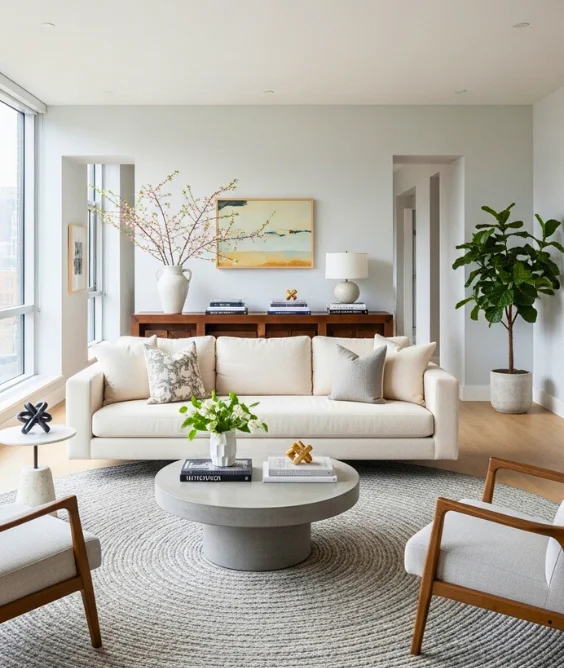
Pushing furniture against walls can make a room feel empty in the center and disrupt conversation flow. Floating furniture inward creates better traffic flow and a more intimate seating arrangement. Rugs and lighting help define the area.
Position the sofa toward a focal point, such as a window or artwork. Place a slim console behind it for balance and additional surface space. Even a small floating arrangement can make the room feel larger and more inviting.
12. Vintage and Modern Mix
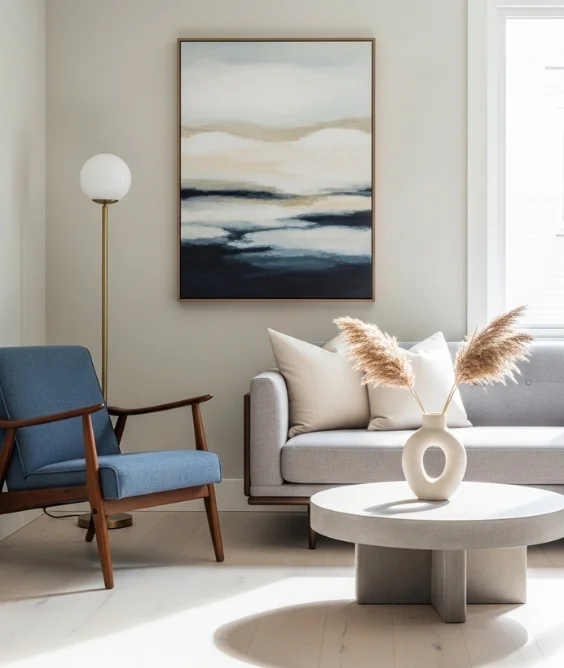
Mixing vintage or retro pieces with modern furniture adds character without overcrowding. A single mid-century chair or Art Deco accent can elevate a neutral modern room. It also allows you to incorporate unique thrifted or secondhand finds.
Update older pieces with fresh upholstery, paint, or cushions for a cohesive look. Limit the number of statement vintage items to avoid a cluttered feel. This balance keeps the room stylish, functional, and full of personality.
13. Sculptural Lighting Fixtures
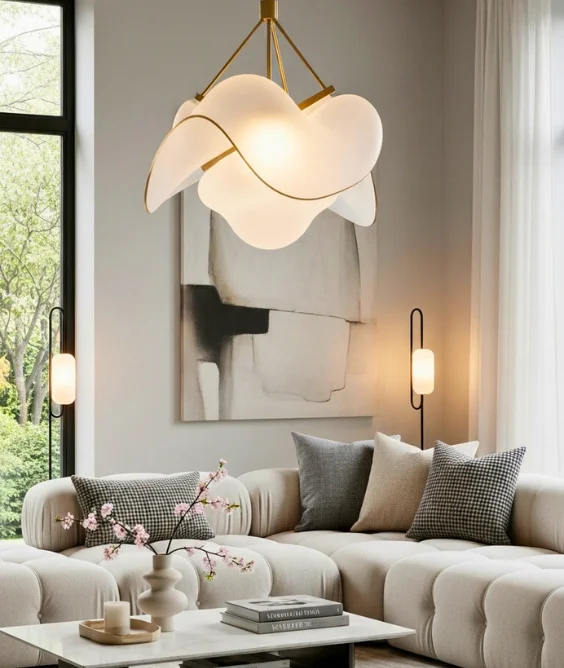
Statement lighting doubles as functional decor and a focal point. Oversized pendants or sculptural lamps create visual interest and elevate the style of a simple living room.
If ceiling fixtures aren’t possible, dramatic floor or table lamps can achieve a similar effect. Choose a single sculptural piece per room to maintain balance. Even a moderately priced lamp with a unique shape adds designer flair.
14. Cozy Modern Textures
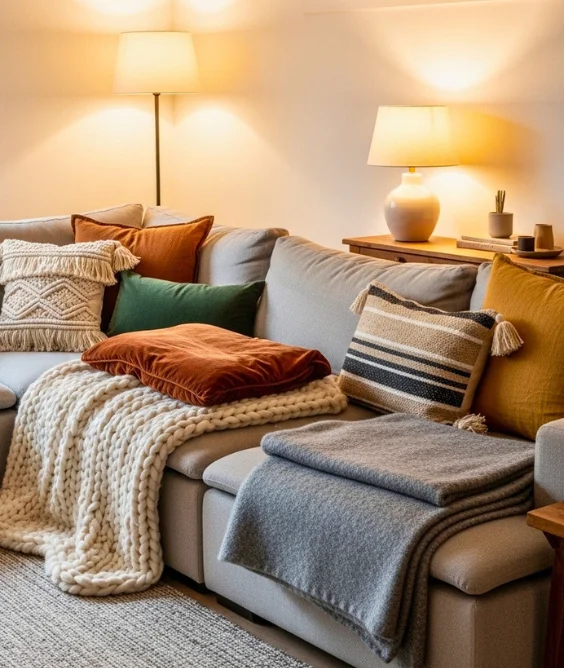
Layering textures adds warmth and comfort to modern living rooms. Mix fabrics like knit throws, boucle cushions, woven rugs, and linen upholstery to make neutral rooms feel inviting.
Keep textures balanced to avoid visual clutter. Fewer, larger accent pieces like a chunky throw or a textured rug can make a big difference. This approach is budget-friendly and instantly enhances comfort without major renovations.
15. Vertical Design Elements
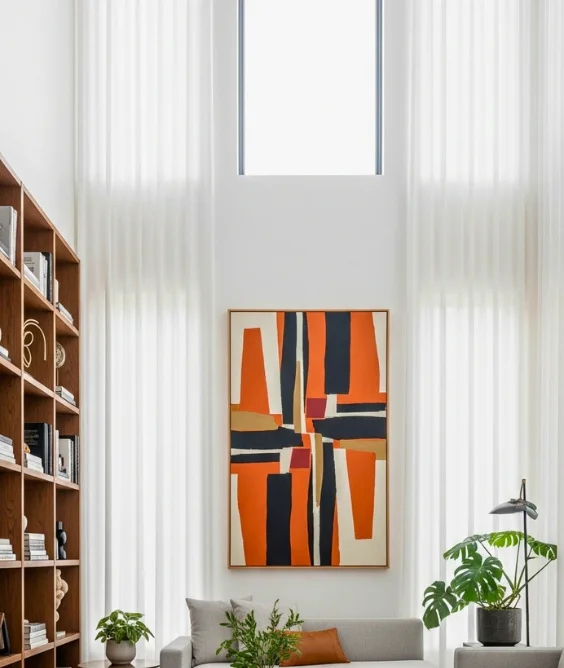
Rooms feel flat if all decor sits at the same height. Vertical elements like tall curtains, elongated art, and high shelving add dimension and draw the eye upward.
Hang curtains slightly above the window frame to enhance height. Tall shelves or stacked decorative objects also create visual interest. Even small vertical touches can make a room feel more spacious and layered.
16. Small Living Room Tricks
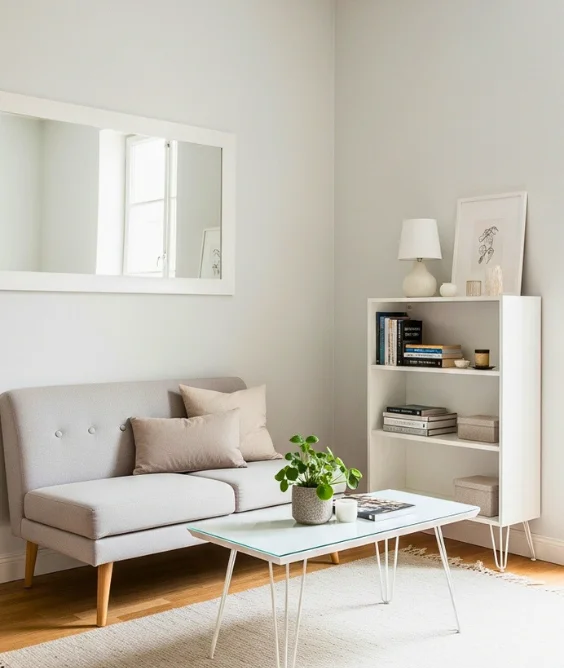
Small living rooms can feel cramped, but simple tricks expand the space visually. Use leggy furniture with exposed legs, lighter paint colors, and mirrors to reflect light. Keeping decor minimal prevents overcrowding.
Add multifunctional pieces, like a storage ottoman or slim console, to save space. Vertical storage or floating shelves frees up floor area. These small changes make a tiny living room feel open, airy, and stylish.
17. Hidden Storage Solutions
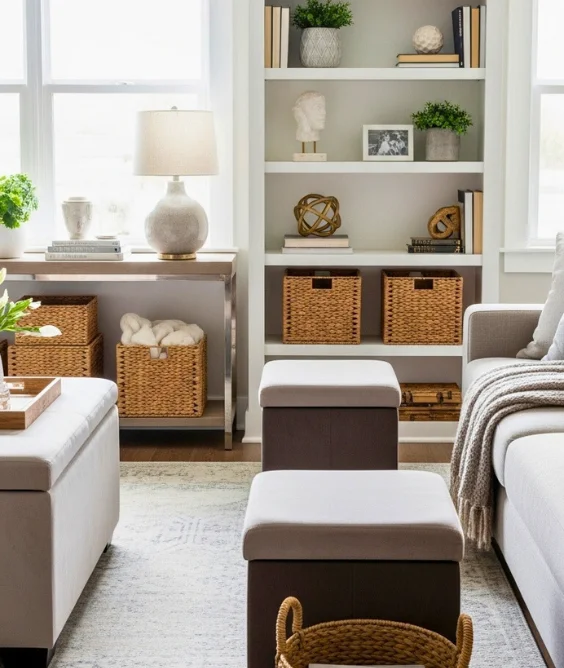
Hidden storage keeps a room clean without sacrificing style. Ottomans with lift-up tops, baskets in shelves, and low-profile cabinets store items discreetly. This approach works well for media equipment, toys, or blankets.
Choose multifunctional furniture to maximize storage. Even budget-friendly baskets or DIY boxes can create a neat, organized look. Well-planned storage keeps your living room clutter-free and visually balanced.
18. Layered Rugs for Dimension
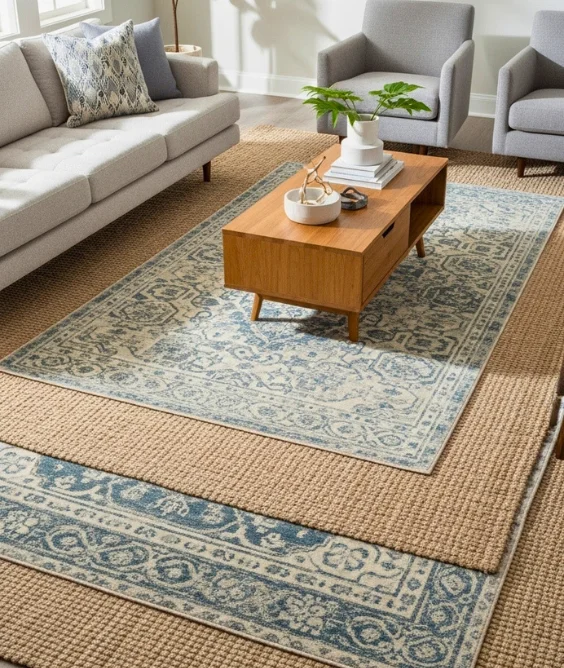
Layered rugs create visual depth and define different zones within the living room. Start with a neutral base rug and layer a smaller patterned or textured rug on top. This adds warmth, interest, and cohesion.
Keep the sizes proportional so the layering doesn’t overwhelm the space. Even inexpensive rugs or DIY floor mats can work. Layering rugs is an easy, affordable way to upgrade your room’s look instantly.
19. Personal Touches and Artifacts
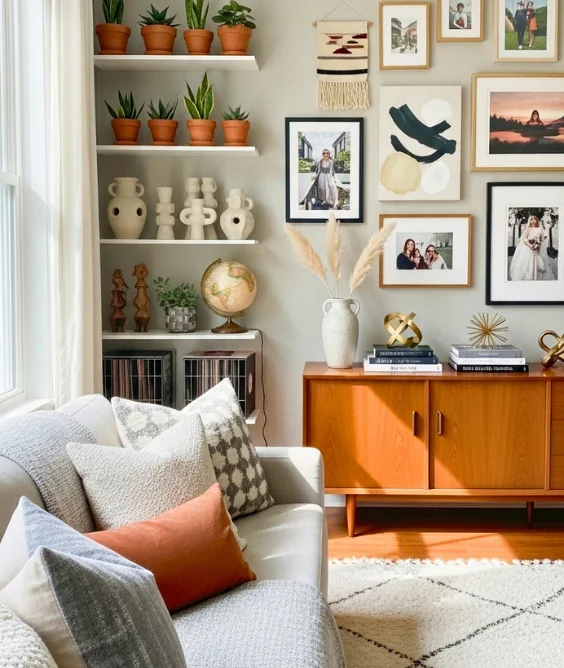
Adding personal touches makes a living room feel unique and inviting. Display framed family photos, travel souvenirs, or handmade art to reflect your personality. Even one meaningful piece can enhance the space.
Arrange items in small clusters or on shelves for a curated look. Rotate or update pieces over time to keep the space fresh. Personal decor is inexpensive and instantly makes a house feel like home.
20. Sustainable and Natural Materials
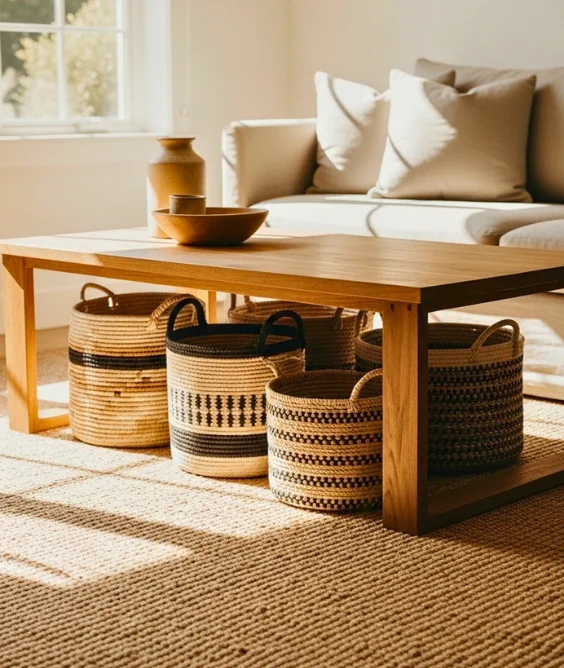
Sustainable materials add texture and warmth while being eco-friendly. Wood, linen, jute, and rattan are stylish, durable, and low-maintenance. Even a single natural element can enhance the room’s comfort and appeal.
Thrifted wooden furniture, DIY woven baskets, or linen cushions are affordable ways to incorporate natural textures. Using eco-conscious materials keeps your living room trendy and environmentally mindful without a high cost.
21. Statement Coffee Tables
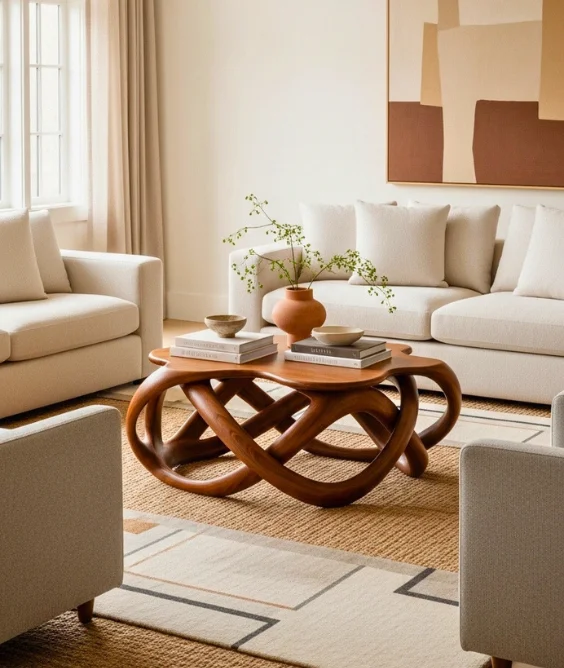
A statement coffee table acts as both functional furniture and a centerpiece. Choose a unique shape, material, or color to instantly draw attention without adding clutter. Even a small living room benefits from a bold table if other pieces remain neutral.
Budget-friendly alternatives include refinishing an old table, adding a geometric tray, or using a vintage piece from a thrift store. Pair with minimal tabletop decor to let the table’s design shine while keeping the space cohesive.
22. Multipurpose Furniture
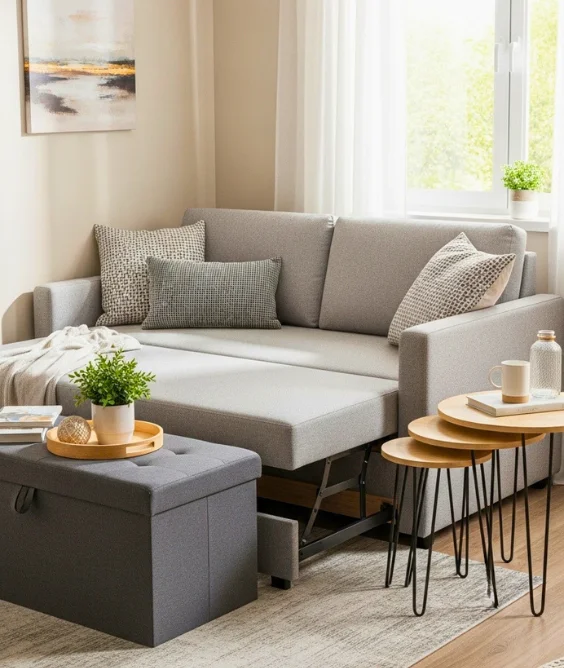
Multipurpose furniture is perfect for smaller spaces or hybrid living rooms. A sofa bed accommodates guests, storage ottomans hide blankets and toys, and nested tables save space when not in use.
These pieces help maximize functionality without overwhelming the room. Even affordable DIY solutions, like repurposing storage trunks as coffee tables, can serve dual purposes while adding charm and practicality.
23. Curated Book and Display Shelves
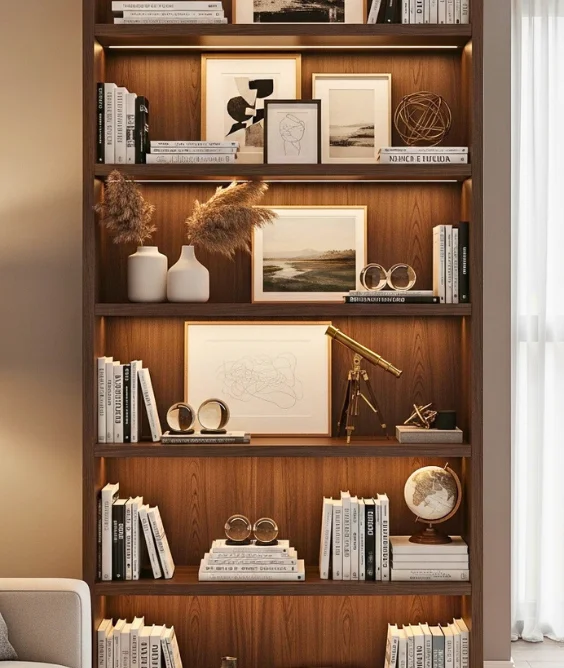
Shelving is both decorative and practical when curated thoughtfully. Mix books, framed art, and small plants to create visual interest while keeping clutter minimal. Vary heights and textures for a balanced look.
Budget tips include layering secondhand books, DIY frames, or repurposing boxes as display stands. Well-curated shelves act as an instant design element and reflect personality without major expense.
24. Relaxation Corners
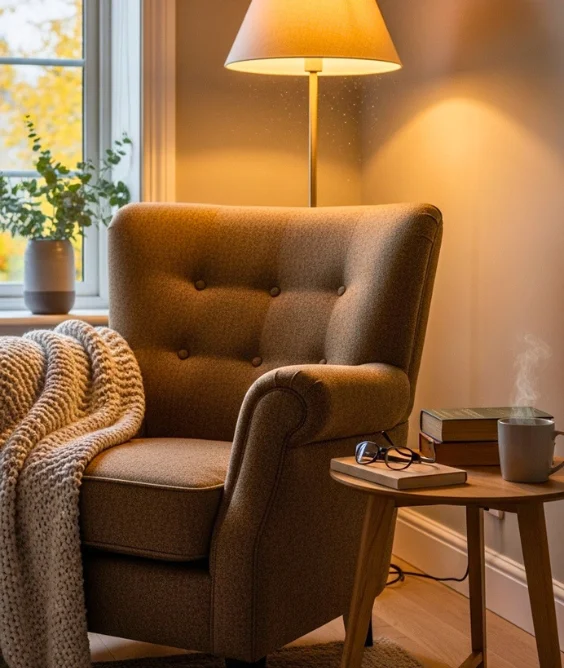
Creating a relaxation corner encourages wellness and comfort within your living room. Use a comfortable chair, soft throw, and nearby light to carve out a small personal retreat for reading or relaxing.
Add a small side table for books or tea, and incorporate a plant to enhance calmness. Even a compact corner can become a cozy sanctuary with simple, affordable touches that make daily living more enjoyable.
Conclusion
Transforming your living room doesn’t require a massive budget or major renovations. Small, thoughtful changes—like adding curves, layering textures, incorporating plants, or arranging furniture differently—can dramatically improve comfort, style, and functionality. By using these 24 ideas, you can create a space that feels inviting, practical, and uniquely yours, blending trends, personal touches, and budget-friendly solutions.


