Creating a kids bedroom that feels fun, organized, and practical can be a challenge. You want furniture that lasts, fits small spaces, and keeps everything tidy. The good news is that smart design ideas can solve all of this without spending too much. From multi-use beds to clever storage, there are simple ways to make a room both playful and useful. This guide shares creative, budget-friendly ideas you can actually use.
15 Kids Bedroom Furniture Design Ideas
The following are the Kids Bedroom Furniture Design Ideas:
1. Loft Bed with Study Desk Underneath

A loft bed with a desk underneath is a smart solution for small bedrooms. It creates two functional zones in one compact footprint. Kids can sleep comfortably above and use the lower space for homework, drawing, or reading. This setup helps keep the room organized and gives a clear purpose to each area.
You can build a simple version using plywood and sturdy brackets to save money. Add a small lamp, a pinboard, and a few shelves for books and supplies. Keep the color palette neutral and update the bedding for variety. Always check ladder stability and add soft edge guards for safety.
2. Storage Bed with Built-In Drawers

A storage bed is perfect for keeping clutter under control. The drawers underneath can hold clothes, toys, or extra bedding. This design uses hidden space effectively and keeps the room looking neat. It’s especially helpful in smaller homes where storage is limited.
If a built-in option is expensive, use rolling bins under a standard bed. Label each bin to make sorting easy for kids. Choose a low-height bed so children can access items themselves. This encourages independence and makes daily cleanup quicker and more manageable.
3. Bunk Bed for Shared Rooms

Bunk beds are a practical choice for siblings sharing a room. They save valuable floor space and make the room feel more open. Kids also enjoy the playful aspect of sleeping on different levels. It’s a great way to maximize space without adding extra furniture.
Choose a strong frame with guardrails for safety. Add a small shelf or pocket organizer for each child to store personal items. Use different bedding styles to give each bunk a unique feel. This helps maintain individuality while sharing the same room.
4. Wall-Mounted Floating Desk

A floating desk is ideal for tight spaces where every inch matters. It attaches to the wall and leaves the floor clear, making the room feel larger. Kids can use it for studying, crafts, or reading without needing a bulky table.
You can create one using a wooden board and strong wall brackets. Add a small shelf above for books and supplies. Pair it with a lightweight or foldable chair for flexibility. This setup is simple, affordable, and easy to maintain.
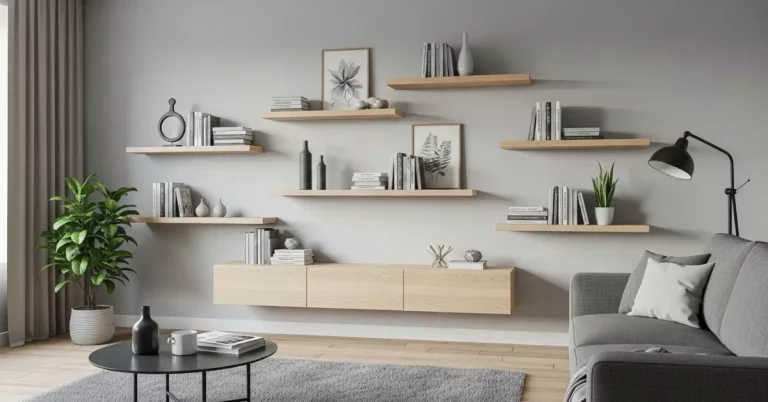
5. Open Shelving for Easy Access

Open shelving makes it easy for kids to access their belongings. Everything is visible, so they can quickly find what they need. This setup encourages better organization and reduces daily mess.
Use low shelves for younger children and add baskets to group similar items. You can repurpose wooden crates and paint them in fun colors. This is a budget-friendly way to add storage while keeping the room playful and practical.
6. Reading Nook with Cushions

A reading nook gives kids a quiet space to relax and enjoy books. It helps build a reading habit and adds a cozy feel to the room. You don’t need a lot of space to create one. A simple corner can work perfectly with the right setup.
Use soft cushions, a small rug, and a few pillows to make it comfortable. Place a low bookshelf nearby so books are easy to grab. You can reuse old foam or mattresses and cover them with washable fabric. Add a small lamp for evening reading and keep the setup simple and inviting.
7. Modular Storage Cubes

Modular storage cubes are flexible and easy to adjust. You can rearrange them as your child grows or as storage needs change. This makes them a long-term solution for organizing toys, books, and clothes.
Start with a small set and expand later if needed. Use bins inside the cubes to keep items grouped and tidy. You can label each bin to make cleanup easier for kids. Add a cushion on top of a cube unit to turn it into extra seating, making it both useful and space-saving.
8. Convertible Crib to Toddler Bed

A convertible crib is a practical choice for growing families. It changes from a crib into a toddler bed, which means you don’t have to replace it quickly. This saves money and reduces hassle over time.
Choose a sturdy frame with smooth edges and safe finishes. As your child grows, you can update bedding and decor to match their age. This keeps the room looking updated without buying new furniture. It’s a simple way to plan ahead while keeping things affordable.
9. Play Table with Storage

A play table with storage keeps activities organized in one place. Kids can draw, build, or play without spreading items all over the room. This helps maintain a clean and tidy space.
Use a simple table and add baskets or compartments underneath. You can build dividers using wood for a DIY option. Store art supplies, toys, and books in small containers. This makes it easier for kids to clean up after playtime and keeps everything within reach.
10. Wardrobe with Sliding Doors

A wardrobe with sliding doors is ideal for saving space. Since the doors slide instead of opening outward, you don’t need extra room in front. This makes it perfect for smaller bedrooms.
Choose a tall wardrobe to make use of vertical space. Add shelves, hanging rods, and storage boxes inside for better organization. You can also add mirrors to the doors to make the room feel larger. Keep the design simple so it stays useful as your child grows.
11. Bed with Built-In Play Area

A bed with a built-in play area makes great use of space. It combines sleeping and play in one spot. Kids love having a small hideout under their bed. It adds fun without needing extra room.
You can create this with a raised bed frame and simple curtains. Add cushions, soft mats, and a few toys underneath. Keep the structure strong and stable. This idea works well in smaller homes and keeps playtime contained in one area.
12. Low Height Furniture for Independence

Low-height furniture helps kids use their room easily. They can reach everything without help. This builds confidence and makes daily routines smoother.
Choose low beds, shelves, and storage units. You can modify existing furniture by shortening the legs. Always smooth edges for safety. This setup also makes the room feel more open and less crowded.
13. Wall Hooks and Hanging Storage

Wall hooks are a simple way to reduce clutter. They keep items off the floor and easy to access. Kids can quickly hang their bags, jackets, or accessories.
Install hooks at a child-friendly height. Add hanging fabric organizers for small items. This is an easy and low-cost upgrade. It helps keep the room tidy without adding bulky furniture.
14. Colorful Storage Bins System

Colorful storage bins make organizing fun for kids. They are more likely to clean up when storage looks playful. It turns tidying into a simple habit.
Assign each bin a purpose or color category. Use picture labels for younger kids. You can reuse old boxes and paint them. This saves money and adds a personal touch to the room.
15. Neutral Furniture with Fun Accents

Neutral furniture gives you flexibility over time. You can change the room style without replacing big pieces. This makes it a smart long-term choice.
Choose light wood or white furniture. Add color through bedding, rugs, and decor. This keeps the room looking updated as your child grows. It’s a simple way to balance style and function on a budget.
Conclusion
Designing a kids bedroom becomes much easier when you focus on smart furniture choices. Simple ideas like multi-use beds, open storage, and flexible designs can save space and money. Start with basics that grow with your child, then add small touches to make the room fun and personal.