
Creating a kids bedroom that feels stylish, practical, and fun can feel like a challenge. You want furniture that looks great but also handles everyday mess, growth spurts, and changing interests. The good news? Smart kids bedroom furniture design focuses on simple ideas that save space, stay affordable, and grow with your child. From clever storage beds to playful study desks, small changes can make a big difference. This guide shares easy ideas you can actually use, even on a tight budget.
22 Kids Bedroom Furniture Design Ideas
The following are the Kids Bedroom Furniture Design:
1. Space-Saving Bunk Beds with Storage

Bunk beds are one of the easiest ways to save space in a kids room. They work well for shared bedrooms or even for one child who needs more play space. Choosing a design with built-in drawers or shelves makes a big difference. You can store clothes, toys, or books right under the bed. This reduces the need for extra cabinets and keeps the room looking clean. A simple tip is to use baskets inside the shelves to organize smaller items. It also helps kids learn how to keep their things in place without much effort.
You don’t need to spend a lot to make this idea work. A second-hand bunk bed can be sanded and repainted for a new look. Stick to neutral colors so it lasts for years as your child grows. Safety matters too, so look for strong rails and a stable ladder. If you only have one child, the bottom bunk can turn into a reading or play area. Add a soft mattress or cushions to make it cozy and useful throughout the day.
2. Loft Beds with Study Zones

Loft beds are perfect for making the most out of small rooms. The bed sits on top, while the space underneath becomes a study or activity area. This setup helps separate sleeping and learning zones without needing a larger room. You can place a simple desk and chair below and add a few shelves for books and supplies. Keeping the setup clean and simple helps the room feel open instead of crowded. A clip-on lamp or small desk light is enough to create a comfortable study space.
This idea is easy to customize on a budget. You can use a basic table as a desk instead of buying expensive furniture. Wall-mounted shelves are a smart addition because they don’t take up floor space. Choose light colors for the bed frame to keep the room bright and airy. This setup also helps build a routine, as kids naturally connect the lower space with study time. Over time, you can upgrade small details like the chair or storage without changing the whole setup.
3. Multi-Functional Storage Beds

Storage beds are a practical solution for keeping a kids room organized. These beds come with drawers underneath or hidden compartments that make storing items easy. You can use the space for clothes, extra bedding, or toys that are not used every day. This reduces clutter and keeps everything within reach. A simple habit like assigning one drawer for each category can make a big difference in maintaining order. It also teaches kids how to manage their own space.
You can make this setup even more effective with small organizing boxes inside the drawers. This keeps items from getting mixed up and makes cleaning faster. Smooth sliding drawers are important so kids can use them easily without help. If buying a new bed is not possible, you can create a similar effect by adding storage bins under a regular bed. This idea helps you save space and avoid buying extra storage furniture, making it both affordable and practical.
4. Modular Furniture That Grows with Your Child

Modular furniture is designed to adapt as your child grows. Instead of replacing furniture every few years, you can adjust or rearrange the pieces. For example, a small desk can be extended later, or shelves can be moved higher as your child gets older. This makes it a smart long-term choice for families who want to save money. Keeping the base design simple allows you to update the room with small decor changes instead of big furniture swaps.
This approach also gives you flexibility in arranging the room. You can shift pieces around to create more play space or a larger study area when needed. Neutral colors work best because they fit different ages and styles. You can personalize the space with cushions, rugs, or wall art that are easy to replace. Choosing durable materials is important so the furniture lasts for years. With this setup, the room can evolve naturally without major changes.
5. Eco-Friendly Wooden Furniture

Wooden furniture is a reliable and safe choice for kids’ bedrooms. It has a warm, natural look that works with almost any style. Choosing materials like solid wood or bamboo can help create a healthier indoor environment. These materials are often more durable than plastic options and can handle daily use. Keeping the design simple allows the furniture to stay useful as your child grows. It also makes the room feel calm and comfortable.
You can refresh wooden furniture easily without spending much. A quick sanding and a coat of paint can completely change its look. This makes it a great option for budget-friendly updates. Adding soft items like rugs, cushions, or curtains can make the space feel more cozy. Look for locally made pieces to save money and support small businesses. With the right care, wooden furniture can last for years and still look good as styles change.
6. Gender-Neutral Minimalist Designs

Minimalist furniture keeps a kids room simple and easy to manage. Using neutral colors like white, beige, or light grey helps the room stay stylish for years. This approach avoids strong themes that kids may outgrow quickly. A simple bed, a small desk, and clean storage units are often enough. With fewer items in the room, cleaning becomes faster and less stressful for both kids and parents. It also creates a calm environment that feels comfortable for sleeping and relaxing.
You can still add personality without changing the furniture. Use colorful cushions, rugs, or wall art that are easy to replace later. This way, the room can change as your child’s interests change. Budget-wise, this method saves money because you won’t need to replace large furniture pieces often. Stick to quality basics and update small decor items over time. It’s a practical setup that works for different ages without needing constant changes.
7. Themed Beds for Creative Play

Themed beds can turn a simple bedroom into a fun space. Designs like cars, castles, or treehouses help spark imagination and make bedtime more exciting. Kids often enjoy having a space that feels special to them. However, it’s best to keep the theme limited to one main piece, like the bed, so the room doesn’t feel too busy. This keeps things balanced and easier to update later.
You don’t need to spend a lot on themed furniture. A regular bed can be styled with themed bedding, cushions, or removable stickers. This gives the same playful effect without a big cost. As your child grows, you can easily switch to a more mature style without replacing everything. Focus on comfort first by choosing a good mattress and sturdy frame. That way, you get both fun and practicality in one setup.
8. Smart Study Desks with Storage

A well-designed study desk helps build good habits early. Look for desks with built-in drawers or shelves to keep school supplies organized. This reduces clutter and keeps everything within reach. A clean workspace makes it easier for kids to focus on homework or creative tasks. Placing the desk near a window is also helpful, as natural light makes the space feel more comfortable.
You can start with a simple desk and improve it over time. Add a small lamp, a pencil holder, and a few organizers to keep things tidy. Cable clips can help manage wires if your child uses a device. Choose a chair that supports good posture, even if it’s a basic one. This setup doesn’t need to be expensive. With a few smart additions, you can create a practical and comfortable study area that grows with your child.
9. Vertical Storage Units for Small Rooms

Vertical storage is one of the easiest ways to save space in a small bedroom. Instead of spreading furniture across the floor, use tall shelves that go upward. This allows you to store more items without making the room feel crowded. Books, toys, and decor can all be placed neatly on different levels. It also keeps the floor clear, giving kids more space to play.
Safety is important when using tall units. Always secure shelves to the wall to prevent tipping. You can use baskets or boxes on lower shelves so kids can reach their items easily. Labeling sections can also help them stay organized. This setup is affordable and works well with almost any room size. By using vertical space wisely, you can keep the room tidy without adding too much furniture.
10. Hidden Drawer Furniture
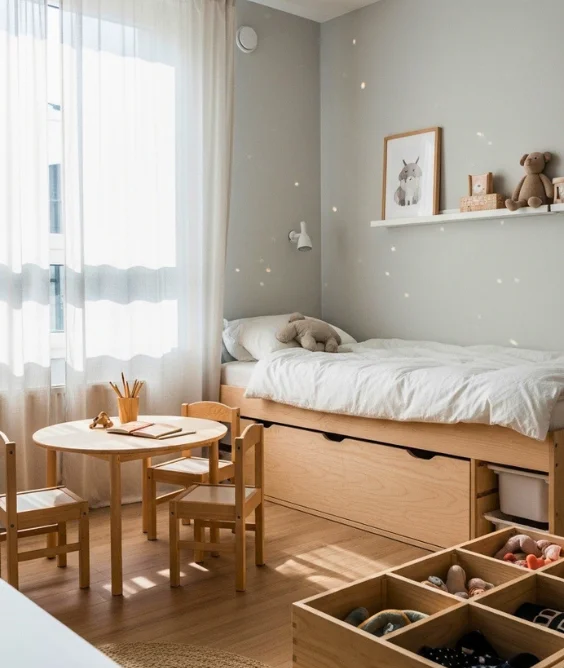
Hidden drawers are a simple way to reduce clutter without changing the look of the room. Many beds, benches, and even desks come with storage that is not visible at first glance. These spaces are perfect for storing extra bedding, seasonal clothes, or toys that are not used every day. Keeping these items out of sight makes the room feel more open and organized.
You can also create hidden storage using basic furniture. Place storage boxes under a bed or inside a bench to achieve the same effect. This is a budget-friendly option that doesn’t require buying new furniture. Make sure the drawers or boxes are easy to pull out so kids can use them without help. With this setup, you maintain a clean and simple look while still having enough storage for everyday use.
11. Bold Accent Furniture Pieces
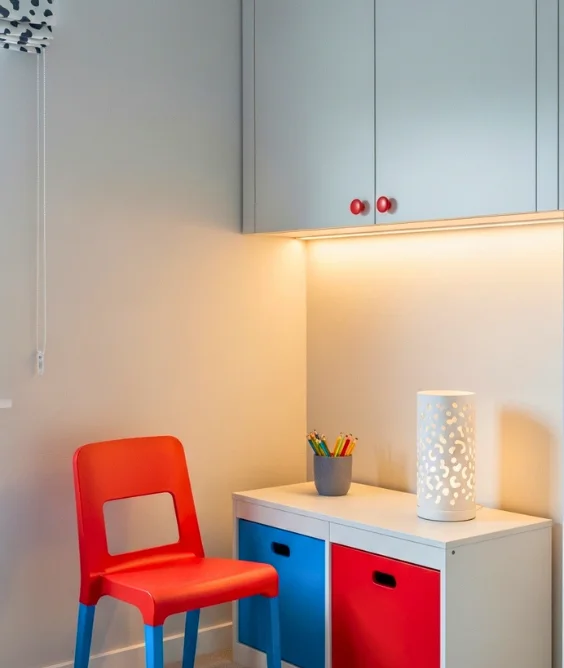
Adding bold furniture is an easy way to bring life into a kids room. Instead of filling the whole space with bright colors, focus on one or two standout pieces. A colorful chair, dresser, or small table can make the room feel playful without overwhelming it. Keeping the rest of the furniture neutral helps balance the look. This approach also makes it easier to update the room later without major changes.
You can achieve this look on a budget with simple DIY ideas. Take an old chair or table and repaint it in a bright shade like blue, green, or yellow. It instantly becomes a focal point. This method allows you to refresh the room without buying new furniture. If your child’s preferences change, you can repaint the same piece again. It’s a flexible and cost-effective way to keep the room fun and stylish.
12. Chalkboard Study Tables

Chalkboard desks combine learning and play in one simple piece of furniture. Kids can draw, write, and practice directly on the surface. This makes study time more engaging and less boring. It also helps reduce paper waste since they can reuse the same space again and again. The setup is simple but highly interactive, which keeps children interested for longer periods.
You don’t need to buy a special desk for this idea. A regular table can be turned into a chalkboard surface using chalkboard paint. It’s an affordable DIY project that doesn’t take much time. Keep a small box nearby for chalk and a cloth for cleaning. This setup is easy to maintain and works well in both small and large rooms. It adds creativity without adding clutter.
13. Built-In Wardrobes with Smart Sections

A well-organized wardrobe can make daily routines much easier. Dividing the wardrobe into sections helps keep everything in place. You can assign areas for clothes, toys, and accessories so nothing gets mixed up. Lower hanging rods allow kids to reach their clothes without help. This builds independence and keeps things simple for everyday use.
Adding storage bins or boxes inside the wardrobe can improve organization even more. Small items like socks or toys can stay neatly sorted. Labeling sections is also helpful, especially for younger children. You don’t need a custom-built wardrobe to try this idea. Even a basic cupboard can be organized using dividers and baskets. This setup saves time and keeps the room looking clean.
14. Foldable Wall-Mounted Desks
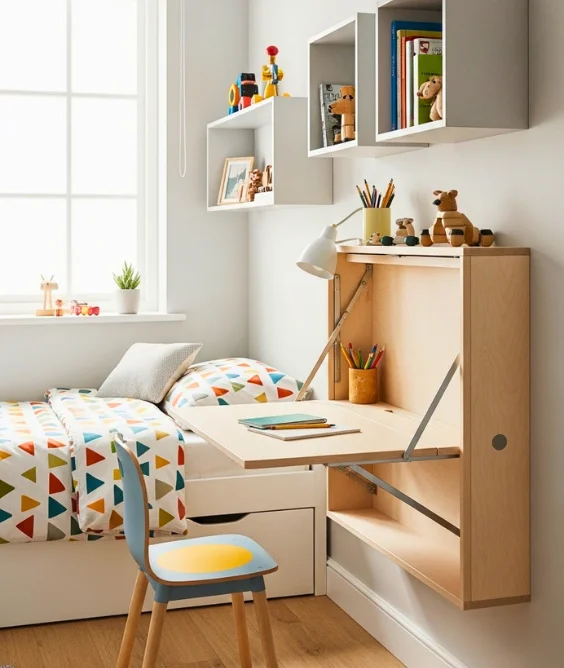
Foldable desks are perfect for rooms with limited space. They attach to the wall and can be folded away when not in use. This instantly creates more room for playing or moving around. It’s a smart option for small bedrooms where every inch matters. The design is simple but very practical for everyday use.
Installing a foldable desk is usually straightforward and affordable. You can pair it with a small chair that fits neatly underneath. Add a few wall shelves above the desk to store books and supplies. This keeps everything organized without taking up floor space. When the desk is folded, the room looks clean and open. It’s a great solution for keeping the space flexible.
15. Cozy Reading Nook Furniture Setup
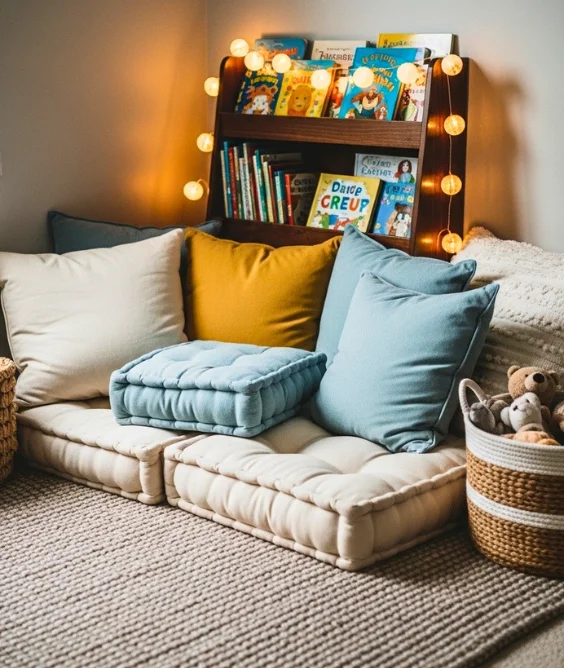
A reading nook creates a quiet and comfortable corner in a kids bedroom. It doesn’t require much space or expensive furniture. A few soft cushions, a small rug, and a low bookshelf are enough to get started. This setup encourages kids to spend time reading and relaxing. Keeping books within easy reach makes it more likely they will use the space regularly.
You can build a reading nook in many ways, even on a budget. Use a corner of the room or the space near a window for natural light. Add a simple lamp for evening reading. You can also use a storage bench that doubles as seating. This adds function without cluttering the room. A cozy corner like this makes the bedroom feel warm and inviting while supporting good habits.
16. Under-Bed Play Zones
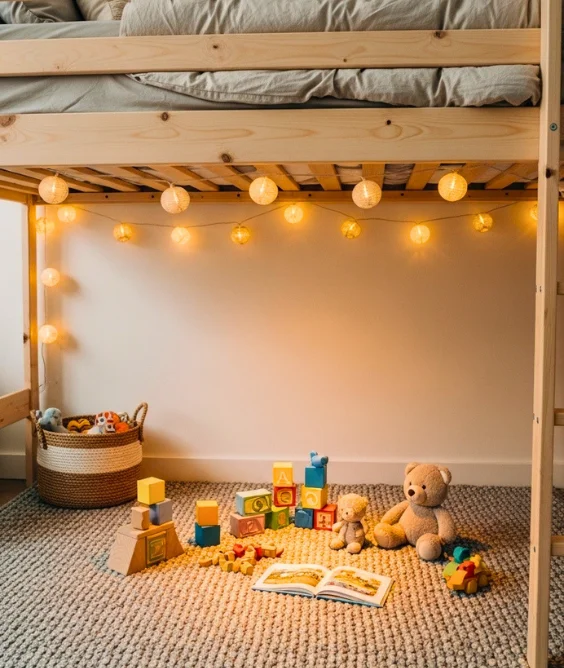
The space under a bed is often wasted, but it can become a fun play area. A loft or raised bed gives you enough room to create a small zone just for play. Add a soft mat, a few cushions, and simple storage bins to keep toys organized. This setup gives kids their own little corner where they can relax and enjoy their time. It also keeps toys from spreading across the entire room.
You don’t need expensive furniture to create this space. Even a standard bed can work if it has enough height for storage bins and play items. Use curtains or fabric to create a small enclosed area under the bed. This makes it feel more special and cozy. Keeping everything simple makes it easy to clean and maintain. It’s a smart way to add function without taking up extra space.
17. Vintage-Inspired Furniture Touches

Vintage-style furniture adds character and warmth to a kids bedroom. Pieces with simple curves and classic designs can make the space feel unique without looking outdated. Mixing vintage items with modern furniture helps keep the room balanced. A small dresser or bedside table can be enough to create this look. It adds charm without making the room feel too heavy.
You can achieve this style without spending much by repurposing old furniture. Sanding and repainting an old piece can give it a completely new life. Choose soft colors to keep the look light and kid-friendly. This approach also allows you to customize the furniture according to your needs. It’s a great way to save money while creating a room that feels personal and inviting.
18. LEGO-Compatible Play Tables

Play tables help keep toys in one place and reduce mess. A LEGO-compatible table is especially useful for kids who enjoy building activities. It provides a flat and stable surface where they can create and play comfortably. Adding storage bins under the table makes cleanup quick and easy. This keeps small pieces from getting lost and makes the room easier to manage.
You don’t need to buy a special table for this idea. A simple table can be adapted by adding a building surface on top. Storage baskets or drawers can be placed underneath for organization. This setup keeps everything in one area, making playtime more enjoyable and less chaotic. It’s a practical solution that supports creativity while keeping the room tidy.
19. Rounded Edge Safety Furniture
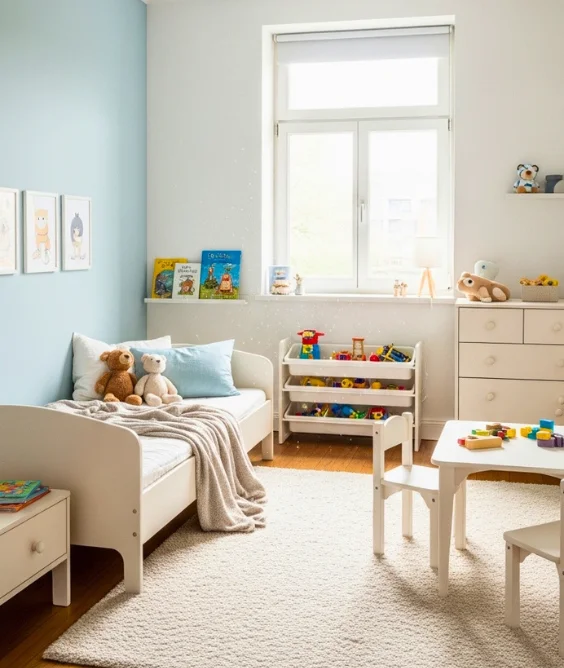
Safety should always be part of furniture design in a kids room. Choosing pieces with rounded edges helps reduce the risk of injuries during play. Kids move around a lot, so avoiding sharp corners is a simple way to make the space safer. Stable and sturdy furniture is also important to prevent tipping. These small details can make a big difference in daily use.
You don’t need to replace all furniture to improve safety. Corner protectors can be added to existing pieces as a quick fix. Make sure shelves and wardrobes are secured to the wall for extra stability. Keep heavy items on lower shelves to avoid accidents. This approach creates a safer environment without adding extra cost or complexity.
20. Growth Chart Furniture Designs

Furniture with built-in growth charts adds a personal and meaningful touch to a kids bedroom. You can mark your child’s height over time on a wardrobe, wall panel, or bed frame. This turns a simple piece of furniture into something special that holds memories. It also makes the room feel more connected to your child’s journey as they grow.
This idea is easy to create with a simple DIY approach. Use a measuring scale sticker or paint markings on a wooden surface. Keep it neat and easy to update over time. You can even add dates to track progress. It doesn’t require extra space or expensive materials. With this small addition, furniture becomes both functional and meaningful.
21. Nature-Inspired Furniture Setup
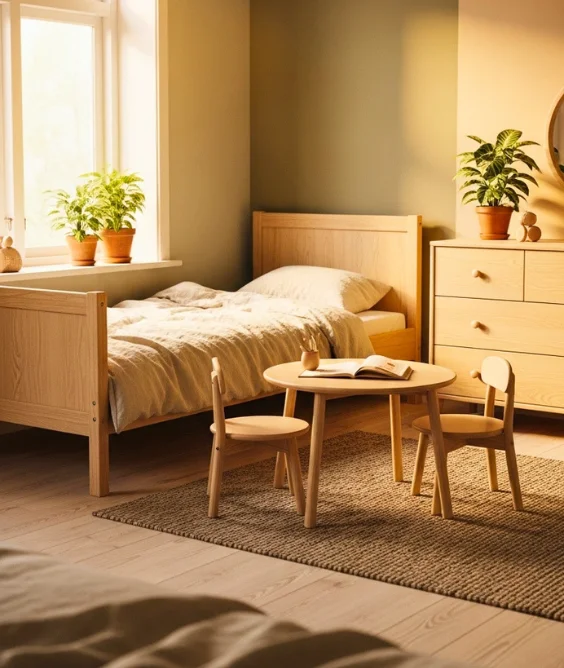
Bringing natural elements into a kids bedroom creates a calm and relaxing space. Wooden furniture works really well for this style because it feels warm and simple. Pair it with soft colors like light green, beige, or off-white to keep the room peaceful. Adding a few indoor plants can also improve the overall feel of the space. It gives a fresh look without adding clutter and helps create a more comfortable environment for sleep and play.
You don’t need to add many items to make this idea work. Start with one or two small plants that are easy to maintain. Place them on a shelf or near a window where they get light. Choose furniture with simple designs so the room doesn’t feel crowded. You can also add natural textures like cotton rugs or woven baskets for extra warmth. This setup is affordable, easy to maintain, and works well for all age groups.
22. Wall-Mounted Storage Units
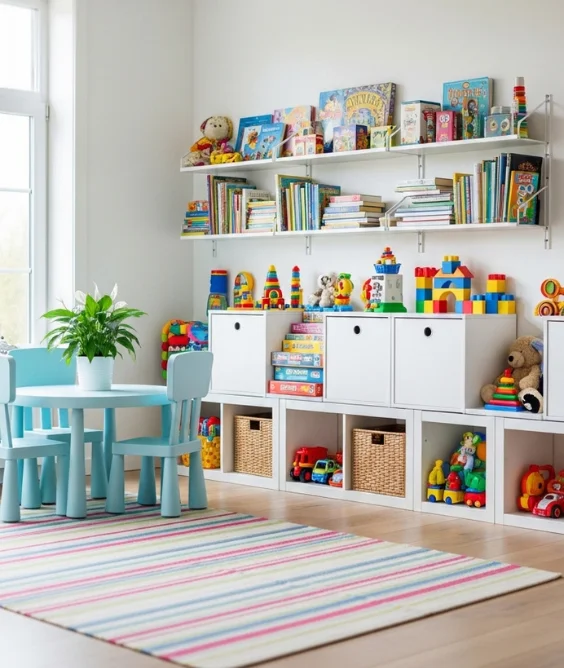
Wall-mounted storage is a smart solution for saving floor space in a kids room. Shelves attached to the wall can hold books, toys, and small decor items without taking up valuable space below. This keeps the room open and gives kids more area to play. It also helps create a clean and organized look since everything has its own place.
Installing wall shelves is usually simple and budget-friendly. Make sure they are fixed securely to the wall for safety. Place frequently used items on lower shelves so kids can reach them easily. You can use small baskets or boxes to keep things neat and sorted. This setup works well in both small and large rooms and can be adjusted over time as storage needs change.
Conclusion
Designing a kids bedroom becomes much easier when you focus on smart, space-saving, and flexible furniture ideas. From storage beds to wall-mounted shelves, each idea helps create a room that is both stylish and practical. Start with simple changes, reuse what you already have, and improve step by step. With the right choices, you can build a space that grows with your child and stays useful every day.


