Spring entry styling sets the tone for your home. It is the first space you see when you walk in and the last place before heading out. Small updates here make a big impact on how your home feels every day. You don’t need a full makeover or expensive furniture.
Simple swaps, reused items, and easy DIY touches can create a welcoming entry that feels light, calm, and lived-in. This guide focuses on affordable, easy-to-do ideas that work in real homes, including small foyers, narrow walls, and family-friendly spaces. Each idea is practical, quick to implement, and can be adapted based on what you already own.
1. Start With Greenery at the Door
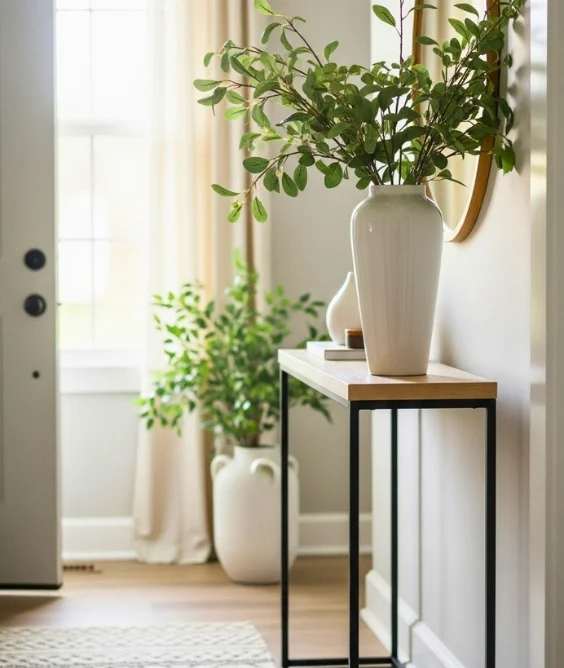
Greenery instantly refreshes any entry. Even a single tall vase with leafy stems signals spring without needing many items. Faux stems are ideal if your space lacks natural light. Mix two types for a natural look. Real plants work too, just choose hardy varieties that tolerate drafts or low light.
Place the arrangement on a console table or in a floor vase next to a bench. For small entries, wall-mounted planters or narrow shelves hold greenery without taking floor space. Keeping it simple prevents a cluttered look while still giving a lively feel. Pair the plant with a neutral runner or small decor to tie the look together. Minimal yet thoughtful placement makes the greenery the focal point.
2. Use a Simple Entry Table Formula
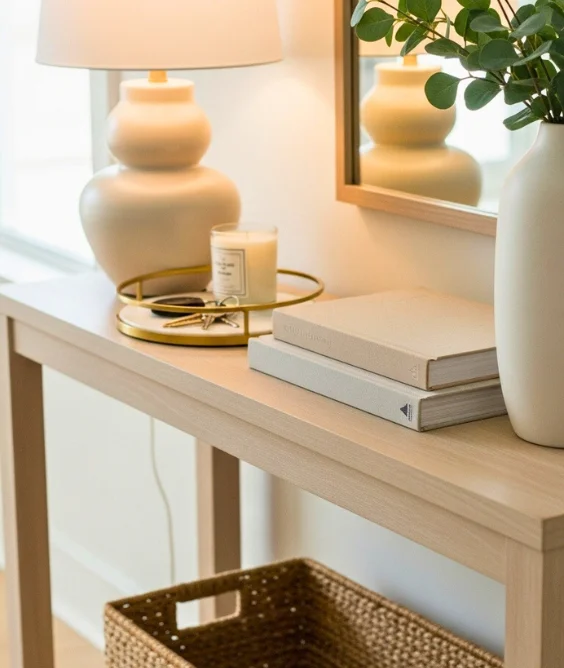
A repeatable styling formula saves time and effort. Start with a lamp for height and function, then add a small tray to hold keys or daily essentials. Stack two or three books for varying heights and top with a small object or vase. Finish with a basket underneath to hide shoes or everyday items. Using what you already own keeps costs low, and seasonal swaps of books or accessories add fresh updates.
This simple formula works on narrow tables, wide consoles, or even a windowsill. By repeating the same elements in slightly different arrangements, you create a polished yet casual look. It also makes styling flexible—you can swap items, move them around, or keep them year-round.
3. Layer a Rug at the Entry
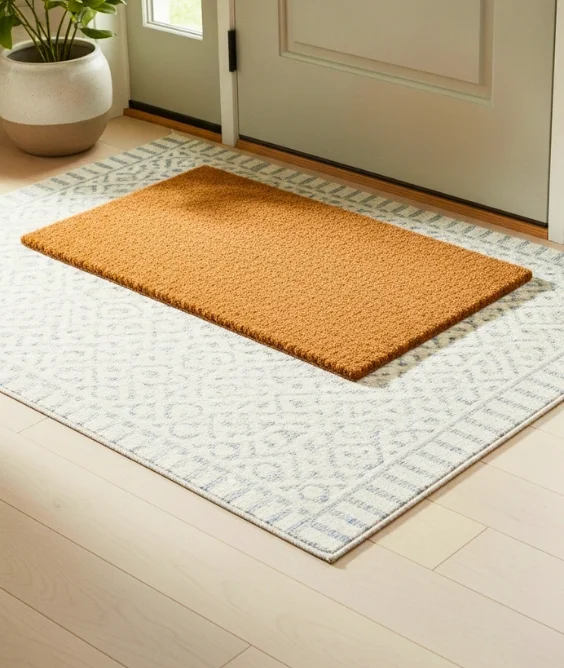
Layered rugs instantly add warmth, texture, and interest to an entry. Start with a washable rug as the base, then layer a simple mat on top near the door. This protects floors, defines the entry zone, and makes the space feel finished. Choose patterns that hide dirt or wear well. Neutral tones with soft accent colors work best for spring.
For smaller entries, a runner creates the illusion of more space while still allowing foot traffic. Washable or durable materials keep maintenance easy, which is perfect for homes with kids or pets. Swapping mats seasonally is an effortless way to refresh your entry without replacing larger decor pieces. Layered rugs are a small tweak with high visual impact.
4. Add a Mirror to Reflect Light
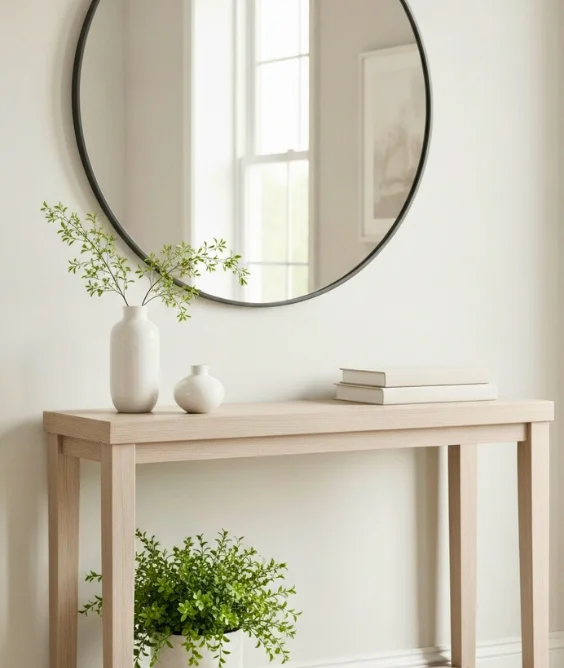
Mirrors brighten entries while creating the illusion of more space. A round mirror softens harsh lines and works perfectly above a console or bench. Thrifted mirrors can be refreshed with paint for a budget-friendly upgrade. Hang it at eye level to reflect natural light instead of ceilings or floors.
A mirror also doubles as a last-minute check spot before heading out. Pair it with a lamp or small vase to complete a balanced vignette. Keeping mirror placement thoughtful prevents overcrowding and ensures it feels integrated with surrounding furniture. Even a small mirror can make a narrow foyer feel open, airy, and welcoming.
5. Style a Bench With Baskets
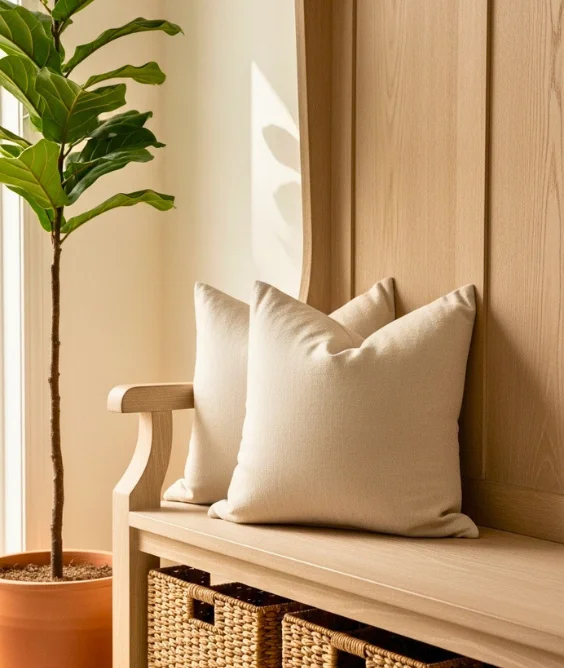
A bench combines seating and storage, making it perfect for functional entryways. Woven baskets underneath hide shoes, scarves, or daily gear while adding texture. Choose baskets that are easy to slide out so kids or guests can tidy up quickly. Top the bench with a pillow or folded throw to make the area feel cozy and inviting.
Slim benches work for narrow foyers, while larger benches fit more open entries. Using neutral tones and natural textures keeps the look cohesive and timeless. This setup is low-cost yet highly practical, providing organization and style without requiring major furniture changes. Swapping baskets or pillow covers seasonally can subtly refresh the space without a full redesign.
6. Create a Small Tray Drop Zone
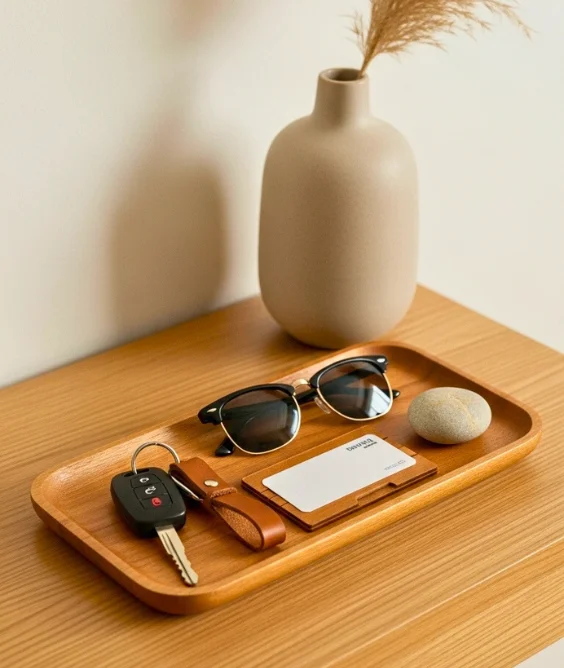
A tray is an easy way to keep small items organized and off the table. Choose wood, woven, or ceramic trays for texture and durability. Place it on a console or shelf to hold keys, mail, or sunglasses. Limit the tray to essential items to avoid visual clutter. If it gets full, remove items daily or weekly to maintain a tidy look. Trays also make cleaning faster since everything can be lifted at once.
They work on narrow tables, benches, or even stairs with a small landing. Seasonal swaps like adding a mini vase with faux florals or a small candle keep the space feeling fresh. Using a tray is a budget-friendly update that immediately adds function and style. Even in small entries, a tray keeps essentials contained without making the space feel crowded.
7. Use Neutral Colors With One Accent
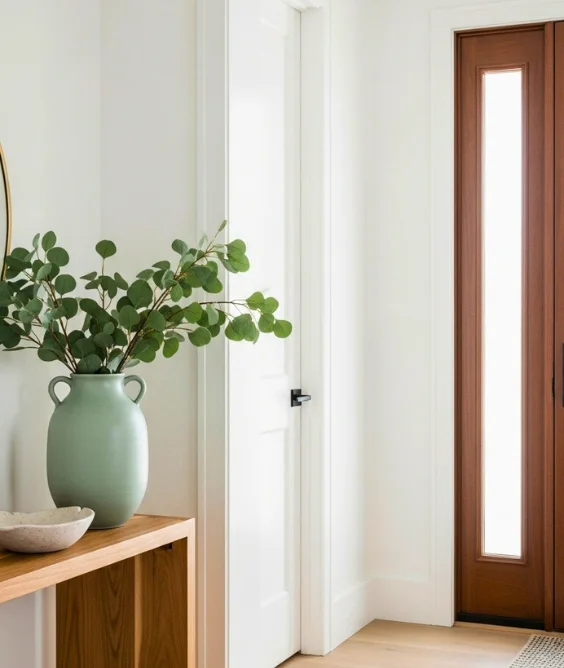
Neutral colors help an entry feel open, calm, and welcoming. Stick to whites, creams, or soft gray tones for walls and furniture. Add one accent color through a pillow, vase, or small piece of art to create visual interest without overcrowding. Neutral tones allow you to mix in natural textures like wood, woven baskets, or linen fabrics.
Using a single accent color makes seasonal updates easy—you can swap the color each season without changing major items. This approach works in both small and large spaces. It keeps the entry cohesive while allowing flexibility for personal style. Neutral backdrops also make greenery or florals pop, giving a light, airy feel perfect for spring. Layering texture and minimal color provides warmth without complexity, ensuring the entry remains inviting and practical.
8. Hang Wall Hooks for Everyday Items
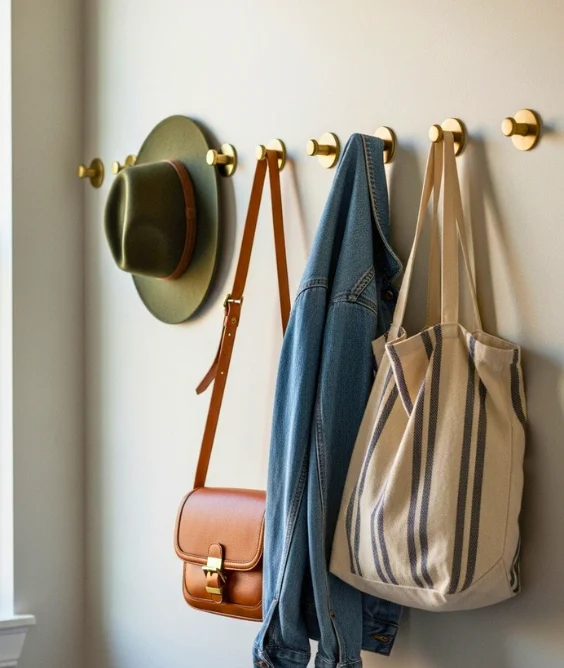
Wall hooks are a simple way to keep everyday items organized and off the floor. Mount hooks at heights that work for adults, kids, and guests. For small entries, vertical arrangements save space while keeping essentials accessible.
Hooks can hold bags, coats, scarves, or even umbrellas. Choosing hooks with simple finishes and clean lines ensures they blend with your decor rather than stand out.
Hooks also double as styling elements when items are neatly arranged. Limit how many items stay on them to prevent a crowded appearance. This practical addition supports daily routines while keeping the entry looking polished. Installing wall hooks is low-cost, fast, and works in rentals or permanent homes.
9. Display Art With Simple Frames
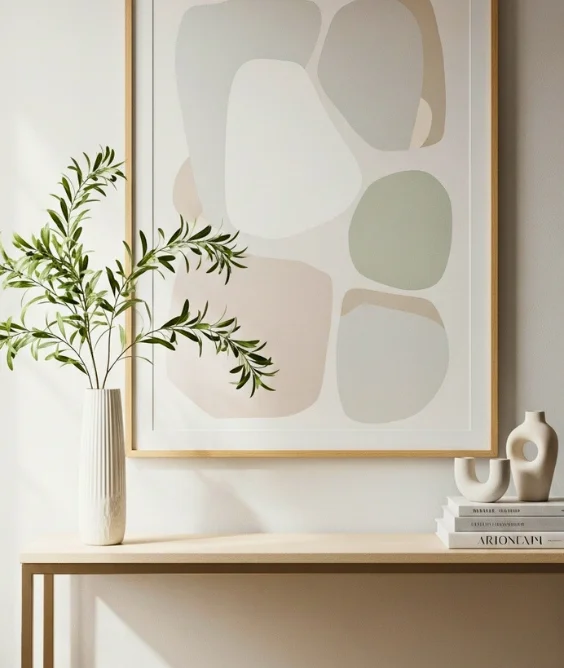
Adding art instantly personalizes an entryway. Use simple frames for a clean, cohesive look. Prints, photos, or sketches all work well depending on your style. Thrifted frames can be refreshed with paint or left as-is for a vintage feel. Choose art proportional to the wall and furniture below it—one larger piece often works better than multiple smaller pieces.
Art adds color, texture, and personality without taking up floor space. You can swap pieces seasonally or mix and match as your style evolves. Pairing art with a lamp, tray, or vase below creates a balanced vignette. Displaying art encourages visitors to pause and enjoy the entry rather than just pass through, making it feel curated yet approachable.
10. Use Faux Florals for Low Light
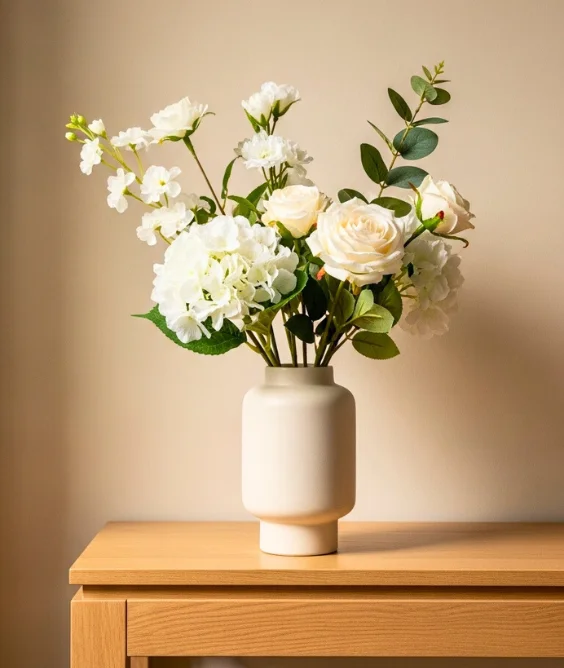
Faux florals are a lifesaver for entries that receive little natural light. Choose realistic stems like cherry blossoms, peonies, or eucalyptus for a natural look. Mix faux with dried or real branches to add dimension and depth. Keep arrangements loose to avoid a crowded, artificial feel. Faux options are long-lasting and can be reused season after season, making them budget-friendly.
They also reduce maintenance, as they do not need watering or sunlight. Place a small bouquet on a console table, shelf, or sideboard to bring color and life into the space. Using faux florals allows you to enjoy the look of spring even in shaded or north-facing foyers. They can be styled alone or layered with greenery and small accessories for a cohesive, welcoming vibe.
11. Connect the Porch and Entry Style
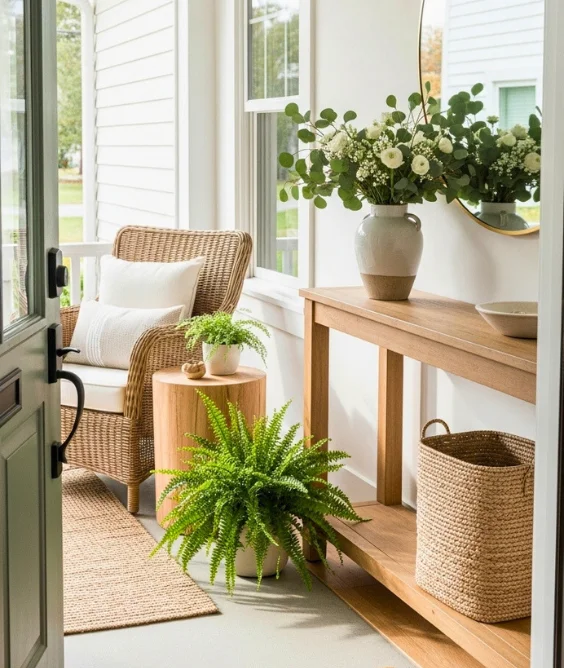
Treat your front porch and entryway as one continuous design zone. Using similar colors, textures, and greenery on both sides of the door creates a cohesive, welcoming feel. Repeat a planter style, a mat pattern, or accent color to visually link indoor and outdoor spaces.
Even small porches benefit from this approach by echoing the interior’s style in miniature. Consider a matching wreath on the door or a bench with similar baskets to tie both spaces together. This method makes your home feel thoughtful and intentional, as though every detail is coordinated. It also helps the entry look larger and more inviting, especially when seen from the doorway.
Minimal updates, like switching porch pillows or adding a small rug, can instantly create continuity. Layering a few accessories and greenery both inside and outside achieves a polished look without spending much. By treating the porch as part of the entry, you make the first impression memorable while keeping styling easy to maintain.
12. Swap Lampshades for a Quick Update
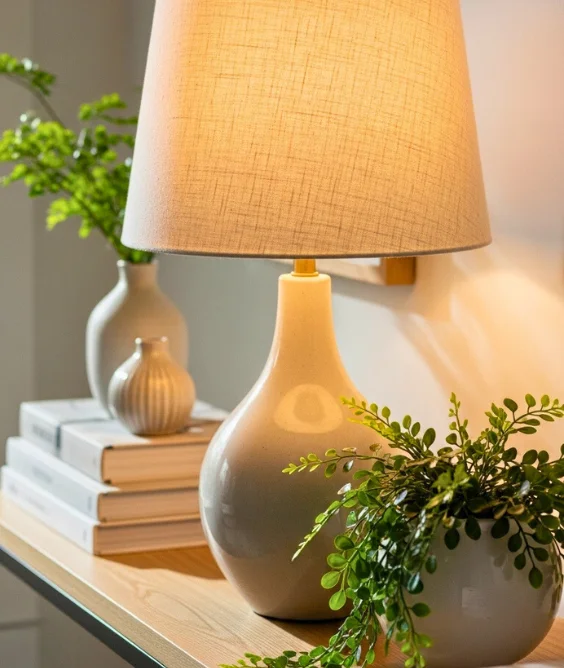
Changing a lampshade is one of the simplest ways to refresh your entry. A light-colored fabric shade softens harsh light, adds warmth, and complements spring decor. You can repaint or replace thrifted shades for a low-cost update. Keeping the lamp base consistent maintains stability and avoids unnecessary spending.
Choose a shade that is proportionate to the table and surrounding accessories. A small, simple lamp can be paired with a vase, tray, or books to create a balanced vignette. Swapping lampshades seasonally adds subtle visual interest without altering the entire entry setup. This approach works in narrow hallways, wide foyers, or on small console tables.
Even a small change like this can brighten the space and make it feel intentional. Maintaining a consistent neutral palette for the shade while allowing for accent colors elsewhere keeps the look cohesive. A well-chosen lampshade enhances function, complements decor, and instantly refreshes the space with minimal effort.
13. Use Books as Decor
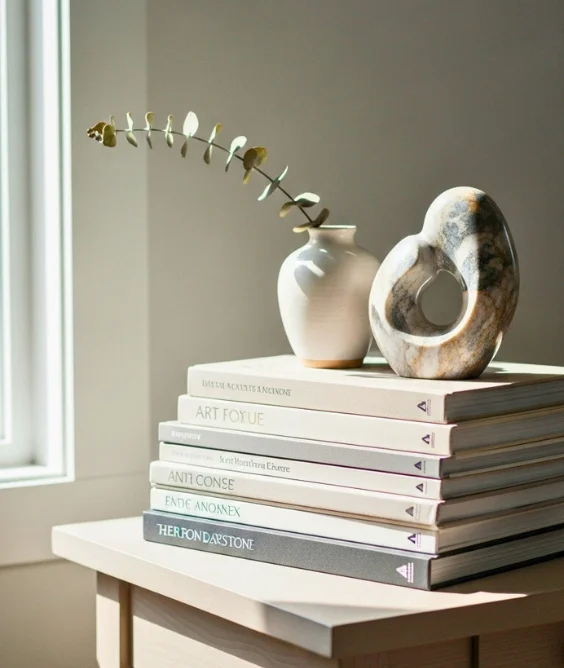
Books are an easy way to add height, color, and texture to an entry table. Stack two or three books horizontally, then top them with a small vase, candle, or decorative object. Wrapping books in neutral paper or using muted covers keeps the display cohesive with spring decor.
This setup works on console tables, shelves, or window ledges. Seasonal swaps, like a fresh floral arrangement or small tray, keep the styling feeling updated without buying new books. Books also help balance taller items, like lamps or vases, creating visual interest across different heights. Even in a small entry, a single stack adds personality and structure.
Using items you already own keeps costs low, and rotating them seasonally allows the entry to feel dynamic. This simple decor technique is practical, approachable, and stylish, giving the space an intentional yet lived-in feel. Layering books with small objects encourages a curated look without overcomplicating the table.
14. Add a Floor Basket for Quick Storage
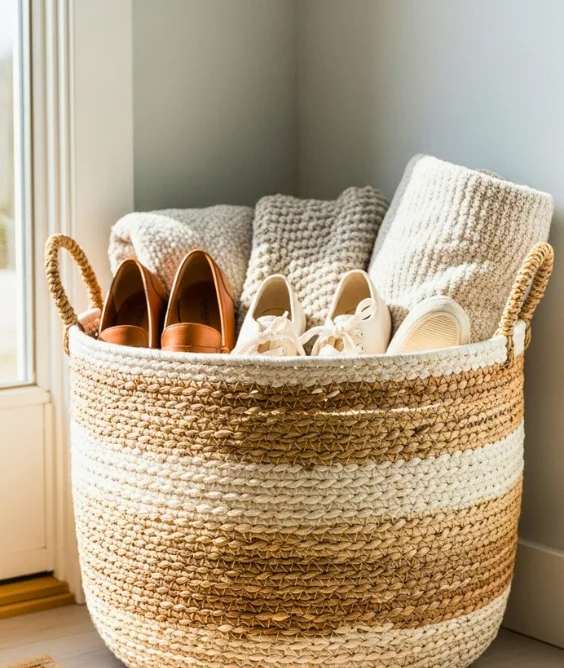
A floor basket is a functional and stylish solution for entry storage. Use it to corral shoes, bags, scarves, or seasonal items while keeping the floor tidy. Woven baskets provide texture and warmth, complementing a neutral palette. Choose sturdy baskets that hold shape even when filled, and place them near a bench, table, or corner.
For narrow entries, a single basket is enough to prevent clutter, while wider entries may hold two or more. Baskets make clean-up simple—just lift and move. They also allow children to store their own items independently. Layering a small blanket or a light throw in the basket adds softness and visual interest. This low-cost addition instantly organizes the space without bulky furniture or built-ins. By combining practicality with style, a floor basket becomes both a storage solution and a design element, keeping the entry welcoming and functional. It’s a small touch that makes a noticeable difference in everyday life.
15. Keep Decor Asymmetrical
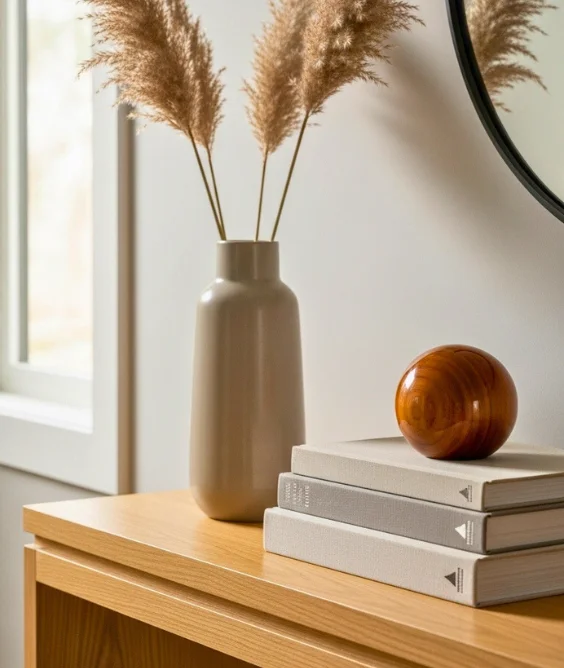
Asymmetrical styling creates a natural, relaxed look in any entry. Place one tall item, like a vase or lamp, on one side and balance it with smaller objects, such as books, trays, or decorative pieces, on the other. Avoid perfectly matching pairs, which can feel rigid.
This approach works on console tables, shelves, or benches, and allows you to add or remove items without redesigning the entire space. Keeping a sense of balance prevents the arrangement from feeling chaotic, while still making it visually interesting. You can mix textures—ceramics, wood, glass, and woven materials—to add depth.
Seasonal items, such as faux florals or greenery, can be swapped in or out while maintaining the asymmetrical layout. This technique keeps the entry feeling curated but approachable. It is particularly effective in small spaces where symmetry may feel crowded. By embracing asymmetry, you achieve a polished yet effortless spring look that can evolve with your home and seasonal styling.
16. Style a Narrow Wall With a Shelf
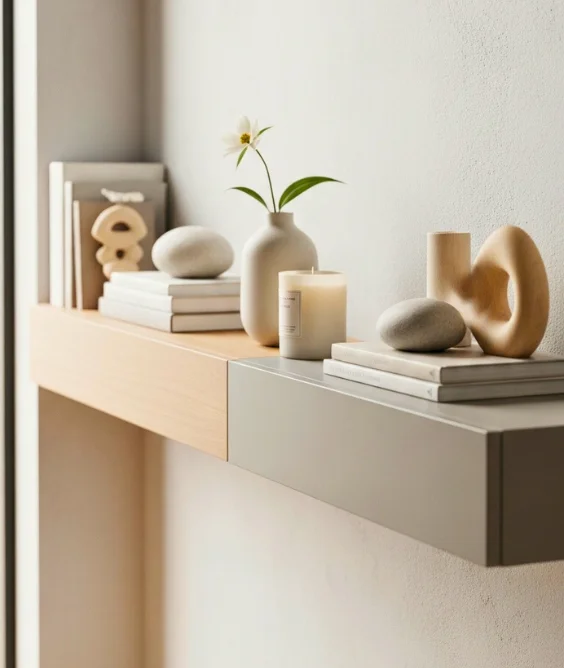
Narrow walls can still make a stylish impact without taking up floor space. A slim wall-mounted shelf is perfect for holding essentials like keys, small trays, or decorative objects. Keep the display minimal to avoid clutter and allow the eye to rest. Combine a small vase with greenery, a candle, or a framed photo for personality.
Shelves work well in tight hallways, small foyers, or rental spaces where furniture placement is limited. Using existing items from around the home keeps costs low, and changing accessories seasonally refreshes the space easily. Make sure the shelf is mounted securely and at a height that’s practical for daily use. Vertical arrangements also draw the eye upward, adding interest without crowding the area. This approach keeps small entries functional, tidy, and welcoming, proving that even a slim wall can become a stylish focal point.
17. Reuse What You Already Own
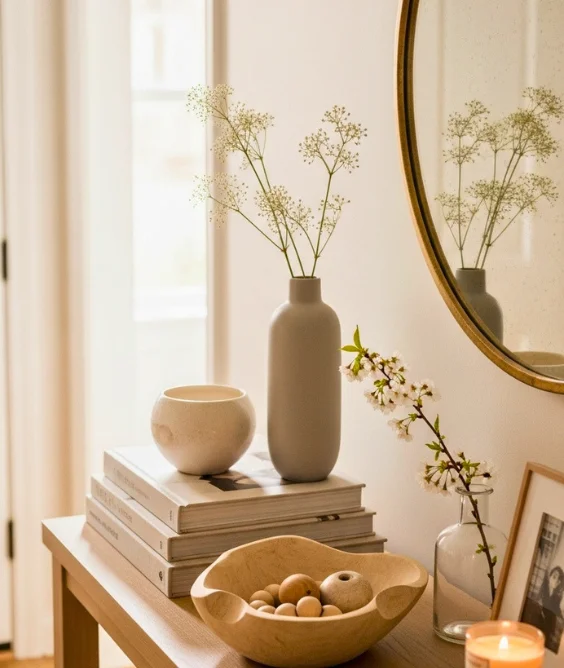
Before buying new decor, look around your home for items that can be repurposed. Bowls, baskets, lamps, and books from other rooms often work perfectly in an entryway.
Rearranging what you already own is a budget-friendly way to refresh the space and gives the entry a personal, collected-over-time feel. Seasonal accents like faux flowers or small greenery stems can update these pieces for spring without extra cost. Using existing decor encourages creativity, allowing you to test different layouts and combinations before making purchases. Even minor changes, like moving a small vase from a shelf to a console table, can dramatically impact the space.
This approach keeps the entry functional, approachable, and uniquely yours, showing that thoughtful styling doesn’t require a full renovation. Layering familiar items with a few seasonal touches ensures the space looks polished without feeling overdone.
18. Add a Soft Scent Layer
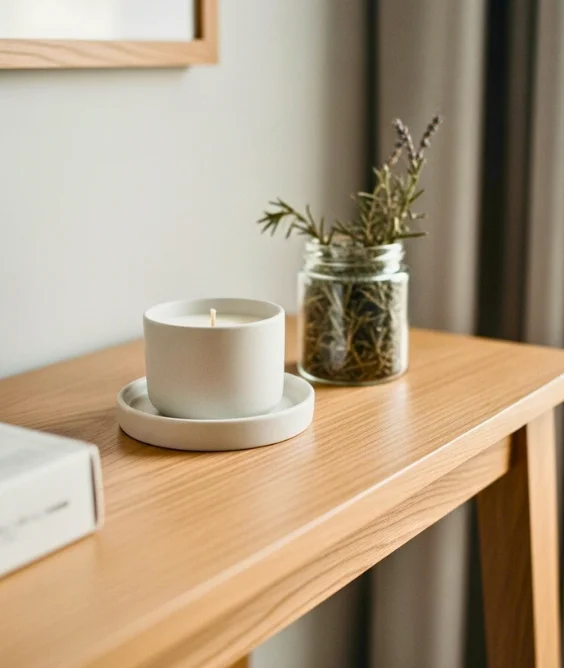
Scent can enhance the welcoming atmosphere of your entry without taking up visual space. Candles, dried herbs like rosemary or lavender, or small diffusers add subtle fragrance and make the entry feel cared for. Keep scents light and unobtrusive so they complement the home without overwhelming it.
Place scented items in safe areas away from high traffic or flammable objects. Pair scents with small vignettes like a tray, vase, or stack of books to integrate them seamlessly. Seasonal scents can change with the months, giving the entry a fresh feeling for spring.
Incorporating scent into styling engages the senses and creates a multidimensional experience for visitors. Even a single candle or herb bundle elevates the space, making it feel cozy, calm, and inviting. This small detail enhances the overall spring entry design while remaining easy to maintain.
19. Keep Surfaces Mostly Clear
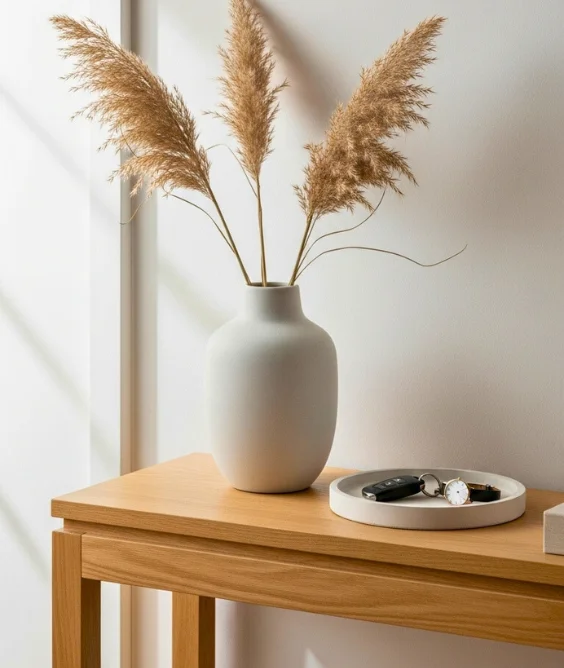
Leaving empty space on your entry surfaces makes the area feel calm and spacious. Not every table or shelf needs decoration. Clearing unnecessary items allows key decor pieces, like a vase, tray, or lamp, to stand out. Minimal surfaces are also easier to maintain and keep tidy.
Use a single statement item or a small vignette to create a focal point without overcrowding. Even small entries benefit from breathing room, as it prevents the space from feeling cluttered or cramped. Maintaining mostly clear surfaces also ensures your entry remains practical for daily routines, such as dropping keys, bags, or mail.
Combining minimal decoration with a few purposeful items balances style and function. This approach keeps the entry approachable, functional, and visually pleasing while allowing flexibility for seasonal updates.
20. Use Painted DIY Accents
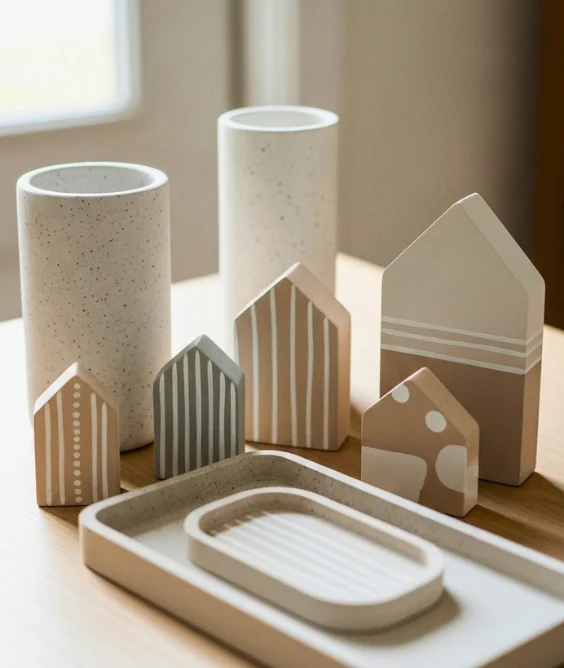
Painting old or inexpensive items is an easy way to refresh your entry on a budget. Vases, trays, frames, or small wooden signs can be transformed with a coat of paint to match your spring color palette. Choose soft neutrals or a single accent color to create cohesion with the rest of your entry.
DIY painted items also allow for personalization, such as simple patterns, ombré effects, or seasonal motifs. Group painted pieces with existing decor for an updated look without buying new items. This low-cost technique works in small spaces and large foyers alike.
Even minimal updates, like painting a single vase or tray, make the space feel intentional and seasonal. Painting is quick, easy to redo, and adds a sense of craftsmanship to your spring entry styling. Layering DIY items with natural textures and greenery completes the curated yet approachable look.
21. Refresh a Grapevine Wreath
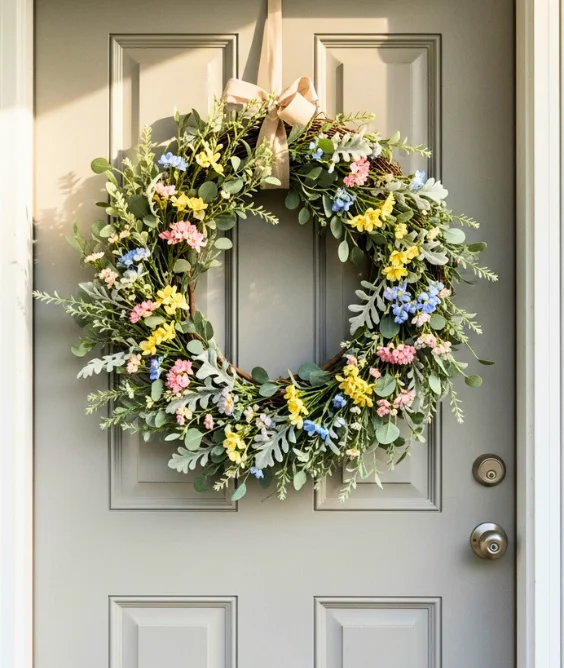
A grapevine wreath is versatile and reusable for every season. For spring, add faux greenery, small flowers, or ribbon to refresh its look. You can swap colors or textures without replacing the base, making it budget-friendly and sustainable. Secure elements with floral wire or hot glue, keeping arrangements loose for a natural feel.
Wreaths work on doors, walls, or above entry tables for a spring touch. Even a small wreath can create a welcoming focal point for visitors. Pair it with a layered doormat, planters, or a bench to tie the entry together. Refreshing a wreath is quick, requires minimal effort, and keeps your entry seasonal without cluttering the space. Reusable bases like grapevine save money over time and allow you to experiment with different styling ideas each year.
22. Add a Bird or Nest Detail
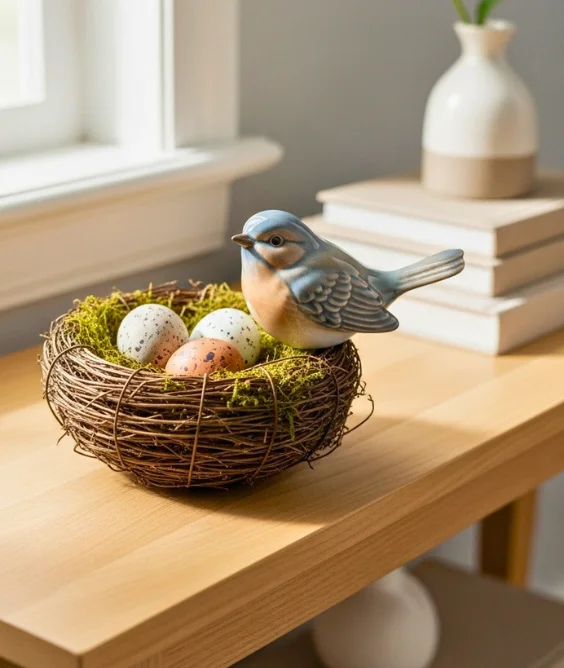
Birds, nests, and eggs add a subtle spring motif without feeling kitschy. Place a small ceramic bird or nest on a tray, shelf, or console to introduce whimsy. Faux nests can include eggs in neutral or pastel tones to blend with your palette. These details are easy to switch out seasonally, reusable year after year, and add charm without taking up space.
Pair bird-inspired items with greenery or floral stems for a cohesive, nature-focused look. For small entries, one nest or bird is enough to make a statement without overwhelming the space. These touches make the entry feel curated, personal, and in tune with spring themes. Using simple items that double as decor and seasonal accents keeps styling practical, achievable, and visually engaging.
23. Include a Small Bench With a Throw
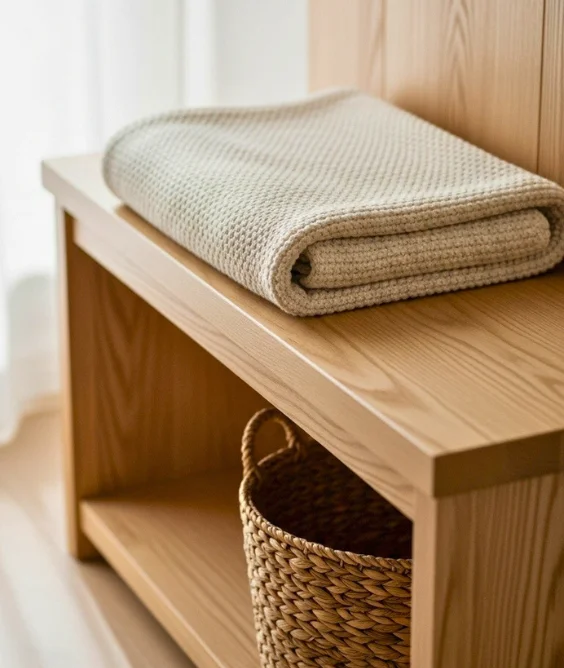
A bench provides both seating and functional storage, ideal for putting on shoes or dropping items. Adding a folded throw or pillow makes it cozy and approachable. For small spaces, choose a narrow bench that doesn’t block the flow. Use baskets underneath to store shoes, umbrellas, or seasonal accessories. Styling the top with a throw adds color, texture, and a welcoming feel. Benches also help define the entry area, especially when paired with a rug or console table. Even minimal entries benefit from this dual-purpose piece, balancing function and style. Swapping throws seasonally is an easy way to refresh the look without replacing furniture. This setup keeps your entry tidy, inviting, and practical while enhancing the spring vibe.
24. Display Seasonal DIY Signs
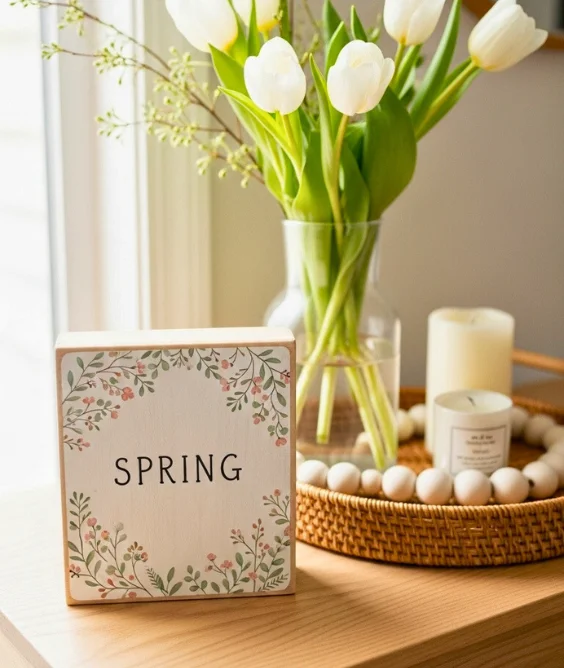
DIY signs add personality and a seasonal touch to your entry. Create simple wooden or painted signs with spring phrases, colors, or motifs. Place them on a console, shelf, or leaning against the wall. Signs are budget-friendly, customizable, and easy to switch out as seasons change. Pair with a small vase, tray, or stack of books for a complete vignette. Keeping the design simple avoids clutter while making a statement.
DIY signs also allow you to repurpose materials from around the home, making styling sustainable. They can be personalized for your family or home style, giving the entry a curated, welcoming feel. Even one small sign adds charm, creating a seasonal focal point without overwhelming the space.
25. Incorporate Coastal or Nature-Inspired Touches
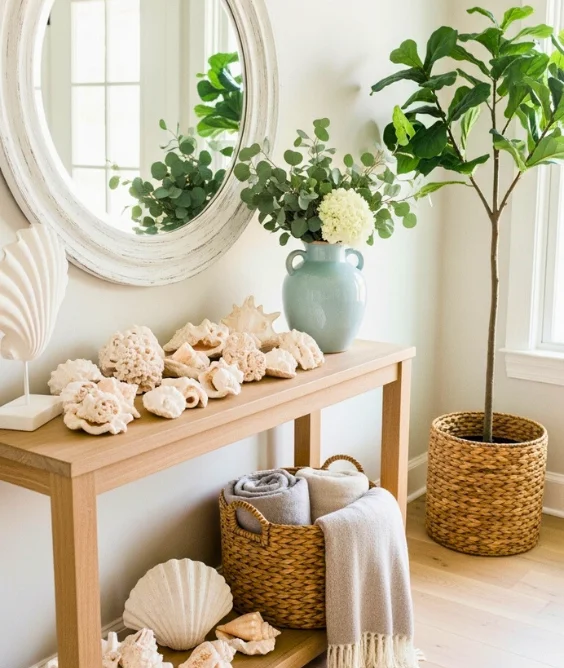
Coastal or nature-inspired details bring serenity and freshness to a spring entry. Small touches like shells, driftwood, light blue accents, or natural textures complement greenery and neutral tones. These elements work well on console tables, shelves, or in baskets.
Mixing textures like wood, rattan, and ceramics adds dimension while keeping the palette soft. Coastal-inspired accents can be subtle—a small shell on a tray, a light blue vase, or a driftwood sculpture. Pair them with faux florals, greenery, or seasonal objects for cohesion.
Even small entries benefit from these sensory touches, adding interest and a relaxed spring vibe. These details are simple, affordable, and easy to update seasonally without large renovations.
Conclusion
Spring entry styling doesn’t require a full remodel or expensive furniture. Mixing real and faux plants, layering textures, and using asymmetrical layouts adds visual interest while keeping styling approachable.
Budget-friendly tips, repurposed items, and simple DIY projects make the process practical and enjoyable. From a small narrow wall to a wide foyer, these 25 fresh spring entry styling ideas help transform your home’s first impression.